🔖 キーワード索引
「algorithm bias」は統計データ分析の文脈で扱う重要概念のひとつ。 本ページでは「algorithm bias」を取り巻く中核キーワードを以下にチップで一覧化する。 各キーワードは関連する概念・手法・道具立てを含み、 文献検索や学習計画の起点になる。
これらのキーワードは「algorithm bias の理解 → 適用 → 検証」のプロセスを構成する。 各章で詳しく解説する。
💡 30秒で分かる結論
🍰 まずはやさしく
AIが持つ偏った考え方のことです。
公平な判断をするために使います。
地域の違いでAIの点数が変わる例があります。
結論を短くまとめて読みます。
アルゴリズムの設計や学習過程で生じる体系的偏り — 公平性指標で定量化して監査するのが現代的アプローチ
- 定義:データの偏り / モデルの誘導バイアス / 評価指標の選択 / デプロイ環境のフィードバックループ等により、 特定の保護属性(性別・人種・地域・年齢)を持つ集団が体系的に不利な扱いを受ける現象。intentional でなくとも発生する点が要注意
- 標準:EEOC(米国)の 80% rule(disparate impact ratio = P(Ŷ=1|A=a) / P(Ŷ=1|A=b) ≥ 0.8)が長年の基準。学術的には demographic parity・equal opportunity・equalized odds・calibration の 4 大公平性指標が併存し、 同時達成は数学的に不可能(Chouldechova 2017、 Kleinberg et al. 2016)
- SSDSE-B-2026 への当てはめ:都道府県の 65 歳以上人口比率 = 人口高齢化率。 採用 AI を東京都データで学習 → 沖縄県・地方県の高齢者層に推論時に低スコアが集中する distribution shift による algorithmic bias 例。 47 都道府県で disparate impact ratio を計算すると地域差が見える
- 関連枠組み:AI 倫理・AI 規制・説明責任・AI トラスト・隠れたデータバイアス・選択バイアス と接続。EU AI Act Annex III の高リスク AI に直結
- 落とし穴:(1) 学習データの代表性確認を怠り「全国民データ」と称して都市部偏重、 (2) 公平性指標を 1 つだけで測り別指標で悪化に気付かない、 (3) Proxy variable(郵便番号 → 人種代替)を残したまま「保護属性は除外済」と誤認、 (4) フィードバックループで時間経過と共にバイアスが増幅
- Python / 実装:監査ツールは
aif360(IBM、 70+ 公平性指標)・fairlearn(Microsoft、 mitigation アルゴリズム)・what-if-tool(Google)・shap(SHAP 値で属性別寄与可視化)。 詳細は §Python 実装
📍 文脈ボックス: あなたが今見ているもの
🍰 まずはやさしく
学習の地図のような案内です。
効率よく学ぶために使います。
スマホで好きな場所から読めます。
このページの構成を確認します。
このページは glossary シリーズの一頁で、 上位概念→個別事例→Python 実装→演習という流れで構成される。 学習履歴がない読者は「💡 30 秒で分かる結論」→「🎨 直感で掴む」→「🧮 実値で計算してみる」の順で読むのが標準ルートで、 既に基礎がある場合は数式・落とし穴・関連用語へ直接ジャンプしてよい。
🎨 直感で掴む
🍰 まずはやさしく
AIが起こす不公平なミスのことです。
仕組みを直感的に理解するために使います。
履歴書の言葉でAIが人を差別する例があります。
具体例から正体を掴みます。
「公正に見えるアルゴリズム」が、 実は特定の集団を不当に扱う — これがアルゴリズムバイアス。 直感的な例: Amazon の採用 AI (2018 年廃止) は過去 10 年の応募データを学習した結果、 履歴書の「women's chess club captain」「women's college」等を含むと低スコアを付与した。 設計者は性別を入力に入れていないのに、 関連語を通じて性別差別が再現された (proxy discrimination)。
原因は 3 種類: (1) データバイアス (歴史的差別が訓練データに刻まれている)、 (2) 表現バイアス (特徴量・ラベル設計で集団を不公平に扱う)、 (3) 評価バイアス (テストセットで誤差が一様でない)。 単一の解決策はなく、 demographic parity・equal opportunity・calibration の 3 公平性指標を併用し、 トレードオフを意識的に決定する必要がある。 本ページでは COMPAS 再犯予測 (黒人 false positive rate 45% vs 白人 23%) 等の代表事例で各指標を手計算する。
📐 定義
🍰 まずはやさしく
偏りを数式で表したルールです。
正しく計算して判定するために使います。
性別や地域で結果が違うか調べます。
正確な定義と計算方法を読みます。
アルゴリズムの設計や学習過程で生じる偏り
英語名 Algorithm Bias。 同義・関連語:AIバイアス。
アルゴリズムバイアスは 群間差 として定式化される。 代表的な 3 つの公平性指標は次の通り (敏感属性 $A \in \{0, 1\}$、 予測 $\hat{Y}$、 真値 $Y$):
$$\text{Demographic Parity: } P(\hat{Y}=1 \mid A=0) - P(\hat{Y}=1 \mid A=1) = 0$$
$$\text{Equal Opportunity: } P(\hat{Y}=1 \mid Y=1, A=0) - P(\hat{Y}=1 \mid Y=1, A=1) = 0$$
$$\text{Calibration: } P(Y=1 \mid \hat{Y}=s, A=0) = P(Y=1 \mid \hat{Y}=s, A=1) \quad \forall s$$
$A$ は性別・人種等の敏感属性、 $\hat{Y}$ はモデル予測、 $Y$ は真のラベル。 3 つの指標は Impossibility Theorem (Kleinberg et al. 2017) により、 base rate $P(Y=1 \mid A)$ が群間で異なる限り 同時には満たせない。 どの指標を優先するかは社会的判断 ── 採用 AI なら Equal Opportunity、 与信なら Calibration が典型。
🔬 数式を言葉で読み解く
前節で挙げた 3 つの公平性指標は、 すべて 「敏感属性 $A$ で群を分けたとき、 予測 $\hat{Y}$ と真値 $Y$ の確率分布がどれだけ揃っているか」 を測ります。 記号ひとつずつ「読み方」「意味」「採用 AI で考えた例」に分解しましょう。
| 記号 | 読み方 | 意味 | 採用 AI での具体例 (A=0 男性, A=1 女性) |
|---|---|---|---|
| $A$ | エー | 敏感属性 (sensitive attribute)。 差別の原因になり得る変数 | 性別 (0=男性, 1=女性)、 国籍、 人種など |
| $Y$ | ワイ | 真のラベル (ground truth)。 本当の正解 | 1 = 実際に活躍した、 0 = 活躍しなかった |
| $\hat{Y}$ | ワイ・ハット | モデルの予測値 | 1 = AI が合格と予測、 0 = 不合格と予測 |
| $P(\hat{Y}=1 \mid A)$ | ピー・ワイハット いっ ギブン エー | 群 $A$ における予測陽性率 (合格率) | 男性応募者の合格率、 女性応募者の合格率 |
| $P(\hat{Y}=1 \mid Y=1, A)$ | ピー・ワイハット いっ ギブン ワイ いっ アンド エー | 真の正例の中での再現率 (TPR)。 群別の「本当に優秀な人を拾えた割合」 | 本当に活躍する男性のうち合格判定の割合 |
| $P(Y=1 \mid \hat{Y}=s, A)$ | ピー・ワイ いっ ギブン ワイハット いこーる エス アンド エー | 予測スコア $s$ のときの群別精度 (calibration) | AI が「合格率 0.7」と出した男性 / 女性の実際の活躍率 |
| $\big|\cdot\big|$ | 絶対値 | 差の符号を無視し大きさだけ見る | 男女どちらが有利でも「不公平」と判定 |
| $\forall s$ | フォーオール エス | すべてのスコア $s$ について成り立つ | スコア 0.3 でも 0.9 でも、 群間で実精度が同じ |
3 つの指標を言葉で音読すると違いがはっきりします。 Demographic Parity = 「男女の合格率自体を揃える」 (結果の機会均等)。 Equal Opportunity = 「本当に活躍する人の中での合格率を揃える」 (能力者を取りこぼさない)。 Calibration = 「同じ予測スコアの人の実際の活躍率を揃える」 (スコアの意味が群で同じ)。 base rate が群で異なる限り 3 つを同時には満たせない (Impossibility Theorem)。
🧮 数式に値を入れて手で計算する
SSDSE-B-2026 (2023 年) の実データから 8 都道府県 (都市圏 4 + 地方 4) を抽出し、 Demographic Parity (人口統計学的均等) の数式に値を代入して Step 1〜3 で展開する。 使用列: A1101 (総人口) と J2503 (保育所等数)。 使用行: R13000 東京都, R14000 神奈川県, R23000 愛知県, R27000 大阪府, R05000 秋田県, R31000 鳥取県, R32000 島根県, R39000 高知県。 仮想 AI モデルは「J2503 / A1101 × 1000 (千人あたり保育所等数) が全国平均 0.20 を超えれば需要充足を陽性予測」とする。 同じ計算を Python (numpy) で再現し、 手計算と完全一致を確認する。
📐 用語の主要数式 (再掲)
$$ \text{DP gap} = \big|\, P(\hat{y}=1 \mid A=0) - P(\hat{y}=1 \mid A=1) \,\big| $$
Step 1: データ準備 (SSDSE-B-2026 2023 年, 8 都道府県の実値)
| Code | 都道府県 | A1101 (総人口) | J2503 (保育所等数) | 保育所等数/千人 | 属性 A (0=都市圏 / 1=地方) | 予測 ŷ (1=陽性, 率>0.20) |
|---|---|---|---|---|---|---|
| R13000 | 東京都 | 14,086,000 | 3,611 | 0.256 | 0 | 1 |
| R14000 | 神奈川県 | 9,229,000 | 1,922 | 0.208 | 0 | 1 |
| R23000 | 愛知県 | 7,477,000 | 1,343 | 0.180 | 0 | 0 |
| R27000 | 大阪府 | 8,763,000 | 970 | 0.111 | 0 | 0 |
| R05000 | 秋田県 | 914,000 | 178 | 0.195 | 1 | 0 |
| R31000 | 鳥取県 | 537,000 | 138 | 0.257 | 1 | 1 |
| R32000 | 島根県 | 650,000 | 272 | 0.418 | 1 | 1 |
| R39000 | 高知県 | 666,000 | 223 | 0.335 | 1 | 1 |
Step 2: 中間計算 (群別の陽性予測率)
| 群 | 件数 n | 陽性 ŷ=1 の数 | P(ŷ=1 | A) |
|---|---|---|---|
| A=0 (都市圏: 東京・神奈川・愛知・大阪) | 4 | 2 (東京・神奈川) | 2 / 4 = 0.50 |
| A=1 (地方: 秋田・鳥取・島根・高知) | 4 | 3 (鳥取・島根・高知) | 3 / 4 = 0.75 |
Step 3: 最終結果 (DP gap)
| 項目 | 計算 | 結果 |
|---|---|---|
| 差分 | 0.50 − 0.75 | −0.25 |
| 絶対値 | |−0.25| | 0.25 |
| 判定 | DP gap ≤ 0.10 が許容目安 | 0.25 → 不公平 (地方優遇バイアスあり) |
🐍 同じ計算を Python で再現
このコードでやること: SSDSE-B-2026.csv から 2023 年・8 都道府県を抽出し、 J2503/A1101×1000 が 0.20 を超えるかで陽性予測 ŷ を生成し、 群別 P(ŷ=1) と DP gap を計算する。 numpy のブール抽出だけで Step 2-3 の手計算と一致するか確認。
1 2 3 4 5 6 7 8 9 10 11 12 13 | import numpy as np # SSDSE-B-2026 (2023 年) 8 都道府県の実値: A1101 (総人口), J2503 (保育所等数) pop = np.array([14086000, 9229000, 7477000, 8763000, 914000, 537000, 650000, 666000]) nurseries = np.array([3611, 1922, 1343, 970, 178, 138, 272, 223]) A = np.array([0, 0, 0, 0, 1, 1, 1, 1]) # 0=都市圏 / 1=地方 rate = nurseries / pop * 1000 # 千人あたり保育所等数 y_pred = (rate > 0.20).astype(int) # 陽性予測 (全国平均超え) p0 = y_pred[A == 0].mean() p1 = y_pred[A == 1].mean() dp_gap = abs(p0 - p1) print(f"P(y=1 | A=0 都市圏) = {p0:.4f}") print(f"P(y=1 | A=1 地方) = {p1:.4f}") print(f"DP gap = {dp_gap:.4f}") |
📤 実行結果
💬 手計算 Step 3 の DP gap = 0.25 と Python 出力が完全一致。 DP gap が 0 に近いほど属性 A に対して中立、 0.25 のような値は閾値 0.10 を超え明確なバイアスを示す。 ここでは「人口あたり保育所等数」を陽性予測に使ったため、 人口が小さい地方ほど分母が小さくなり率が上がりやすい構造バイアスが出現。 実務では DP gap ≤ 0.10 (10 pt) を許容基準とする例が多い (例: EEOC の 4/5 ルール)。 仮想 AI が融資・採用などに同じ素朴な指標を用いると、 似た構造バイアスが生じる。
🧮 SSDSE-B-2026 でアルゴリズムバイアスを実値で測る
SSDSE-B-2026 (2023 年, 47 都道府県) を使い、 仮想 AI モデル「人口あたり保育所等数で『需要充足』を陽性予測」がもたらすアルゴリズムバイアスを実測する。 属性 A は地域区分: A=0 が 大都市圏 (北海道/埼玉県/千葉県/東京都/神奈川県/愛知県/大阪府/兵庫県/福岡県 の人口 500 万人超 9 県)、 A=1 が 地方 (それ以外 38 県、 沖縄県/島根県/鳥取県 ほか)。 予測陽性は J2503 (保育所等数) / A1101 (総人口) × 1000 > 全国平均 0.20 とする(実データの全国平均は 0.201)。
| 群 | 件数 n | 陽性予測数 (J2503/A1101 × 1000 > 0.20) | P(ŷ=1) |
|---|---|---|---|
| A=0 (都市圏 9 県) | 9 | 2 (東京・神奈川のみ) | 2/9 = 0.222 |
| A=1 (地方 38 県) | 38 | 16 (島根・高知・鳥取 ほか) | 16/38 = 0.421 |
DP gap = |0.222 − 0.421| = 0.199。 閾値 0.10 を超え、 仮想モデルは「地方優遇 / 都市過小」のバイアスを示す。 原因は J2503 が絶対数で人口正規化されておらず、 人口の小さい地方ほど千人あたり保育所等数が上がりやすいため(島根 0.418・高知 0.335 など)。 是正には J2505 (保育所等定員数) や A1301 (15 歳未満人口) など「実需要」で正規化する必要がある。 Python 再現は df[df['A1101']>5000000] と df[df['A1101']<=5000000] でグループ化 → (df['J2503']/df['A1101']*1000 > 0.20).mean() を計算。
🎯 いつ・どこで使うか
- 「倫理」分野の標準的な道具として、 多くの分析で登場します。
- 📚 AI倫理・公平性 を学ぶときに必ず通過する基本概念です。
- 論文・実務レポートで頻出する用語なので、 1 度はちゃんと理解しておくと後が楽です。
📋 前提条件・適用範囲
この用語を理解・使用するときは、 次のような前提を意識してください:
- データの性質:尺度(名義/順序/間隔/比例)と分布を確認
- サンプル数:手法によって最低限のサンプル数が異なります
- 独立性:観測が独立であるかを確認(時系列・パネル等では別の手法が必要)
- 欠損・外れ値:前処理の方針を明確に
🎮 触って理解する
アルゴリズムバイアスの核心は「学習データの偏りが予測に伝播し、 運用の中で増幅する」という点にある。 ここでは架空データ(シード付き擬似乱数で生成した2群の応募者、実在の個人・団体とは無関係)に対する採用分類器をブラウザ内で動かし、 ①データ量の偏りが決定境界を多数派へ傾ける様子、 ②複数の公平性指標が同時には満たせないトレードオフ、 ③偏った判定が次の学習データになって世代ごとに格差が増幅するフィードバックループ、 の3つを手で触って確かめる。
① 学習データの偏り → 決定境界のバイアス(合格率格差が開く)
上帯が多数派(架空・基準となる群)、 下帯が少数派(架空・真に合格すべき人の割合がやや低い不利な群)。 緑=本当は合格に値する人、 灰=そうでない人、 縦線が分類器の決定境界(右側を合格と予測)。 少数派の学習データが減るほど、 分類器は少数派の境界を多数派側の境界へ引き寄せ(=多数派に最適化)、 少数派の合格者が取りこぼされる。
–
–
– |合格率の差|
– |真陽性率の差|
–
–
② フィードバックループ:偏った判定が次の学習データになると格差が増幅
①で生じた小さな合格率格差を出発点に、 「合格者が次世代の学習データ(=手本)になる」過程を1世代ずつ進める。 少数派は合格者が少ない→次の学習データでの存在感が下がる→さらに合格しにくくなる、 という自己強化で格差が世代ごとに拡大する様子を観察する。
「1世代進める」を押すたびに棒が伸び、 わずかな初期格差が数世代で決定的な排除に育つ。 これが監査なしで運用したアルゴリズムの怖さである。
🧠 直感 ── データの偏りは「世界の偏り」を学ぶ
機械学習は「過去に起きたこと」を最適に再現する装置である。 過去の採用データに少数派が少なく、 かつ合格例も少なければ、 分類器は「少数派は合格しにくい」というパターンを忠実に学ぶ。 これは設計者が差別を意図したからではなく、 多数派で精度を上げるほど全体の損失が下がるという最適化の必然として起きる(①のスライダーで少数派比率を下げると境界が多数派へ寄り、 合格率格差が開くのはこのため)。 モデルは世界を写す鏡であり、 世界が偏っていれば鏡も偏る。
🕳 落とし穴 ── 公平性は1つの数字では測れない
- 指標の同時達成は不可能:①で「均等機会を強制」すると真陽性率の差はほぼ0になるが人口統計的パリティ差は残り、 「パリティを強制」すると合格率差は消えるが均等機会差が復活し全体精度も下がる。 群間で真の合格率(base rate)が異なる限り、 パリティ・均等機会・キャリブレーションを同時に満たすことは数学的に不可能(Kleinberg 2016 / Chouldechova 2017 の不可能性定理)。 「どの公平性を優先するか」は技術ではなく社会が決める価値判断である。
- 代理変数による間接差別:保護属性(性別・人種)を入力から除いても、 郵便番号・出身校・購買履歴などが保護属性の代理変数(proxy)となり差別が再現される。 属性を消すだけでは不十分で、 相関経路の監査が要る。
- 精度とのトレードオフ:①の全体精度を見ると、 パリティ強制で精度がわずかに下がる。 「精度を上げる=良い」という素朴な最適化は、 しばしば公平性を犠牲にしている。
🚀 発展 ── 制約付き学習・因果・監査
緩和策は介入点で3つに分かれる。 (1) 前処理:学習前にデータを再重み付け・再サンプリングして偏りを均す。 (2) 制約付き学習(in-processing):損失関数に公平性制約(例:均等化オッズのペナルティ)を加えて最適化する。 (3) 後処理:①のように群別に閾値を調整する。 さらに近年は「因果的公平性」── 相関ではなく因果経路を辿り、 保護属性から結果への不当な経路だけを遮断する枠組みが発展している。 そして何より重要なのが継続的な監査(audit):②が示すように、 バイアスは運用の中で増幅するため、 デプロイ後も群別指標を定点観測し、 フィードバックループを断ち切る仕組みが要る。
関連ページ:データに潜むバイアス(生存者・集約バイアス)/ 公平性(指標の定義を深掘り)/ 統計的差別(群平均に基づく判断の経済学)/ AIセーフティ(運用リスク全般)/ データバイアス/ 選択バイアス。
🐍 Python での扱い
SSDSE-B-2026 のような公的統計データを Python で扱う際の基本パターン:
1 2 3 4 5 6 7 8 9 10 11 12 | import pandas as pd import numpy as np # データ読み込み df = pd.read_csv('data/raw/SSDSE-B-2026.csv', encoding='cp932', skiprows=1) print(df.shape) print(df.dtypes) print(df.describe()) # 「アルゴリズムバイアス」の文脈で扱う場合の例: # 分野: 倫理 # 関連手法は同カテゴリの他用語を参照してください。 |
具体的なコードは AI倫理・公平性 を参照してください。
📝 レポートでの報告
分析結果を報告するときに含めるべき情報:
- 使ったデータ:出典・期間・サンプル数
- 適用条件の確認:前提が満たされているか
- 計算結果:数値だけでなく不確実性(CI・SE)も
- 解釈:何を意味するか、 何を意味しないか
- 限界:適用範囲外への拡張は避ける
✅ チェックリスト
- □ 「アルゴリズムバイアス」を使う場面か再確認したか
- □ データの尺度・分布・サンプル数を確認したか
- □ 前提条件を満たしているか
- □ 計算した値だけでなく不確実性も把握したか
- □ 解釈と限界を区別したか
- □ 関連グループ教材で全体像を確認したか
⚠️ よくある落とし穴
algorithm bias を実務で使う際に頻発する誤用・落とし穴を列挙する。 多くは「前提の確認不足」「結果の過信」「他手法との比較不足」が原因で、 事前にチェックリスト化することで回避できる。
- データ前提の見落とし: algorithm bias の理論的前提が成立していないのに適用してしまう。 対策: 適用前に前提検定や図示で確認。
- 結果の過大解釈: 統計的有意性と実用的重要性を混同。 サンプルが大きければ p 値は容易に小さくなる。 効果量も併記。
- 外れ値の影響: 平均ベースの手法は外れ値で結果が大きく揺れる。 中央値や頑健統計量で頑健性を確認。
- 多重比較の問題: 複数の検定を繰り返すと偽陽性が累積。 Bonferroni 補正や FDR 制御を導入。
- 他手法との比較不足: 「algorithm bias を使った結果」が正しく見えても、 別手法で違う結論が出る場合がある。 必ず 2 種類以上の手法で検証。
📚 関連グループ教材
この用語の全体像を学ぶには、 まず横断的な教材で文脈を掴むのが効率的です:
- 📚 AI倫理・公平性 — このカテゴリの全体像を学ぶ
🔗 同カテゴリの他用語
🔎 アルゴリズムバイアス ── 深掘り解説
アルゴリズムバイアス とは、 AI システムが特定のグループに不利な判定を行う現象。 採用 AI が女性応募者を不利に扱った Amazon の事例、 米国の COMPAS(再犯予測)が黒人被告に高リスクを付ける傾向など、 重大な事例が国際的に報告されてきました。
🔖 キーワード索引(拡張)
💡 もう少し詳しく
- 原因の階層:① 学習データの偏り、 ② アルゴリズム設計、 ③ 評価指標の選択、 ④ 運用環境
- 公平性指標:Demographic Parity, Equal Opportunity, Equalized Odds, Predictive Parity
- 不可能定理:複数の公平性指標は、 群間で基底レートが異なる場合に同時に満たせない(Chouldechova 2016)
- 緩和策:Pre-processing(重みづけ)、 In-processing(制約付き学習)、 Post-processing(しきい値調整)
📐 公平性指標
🧮 SSDSE-B での疑似群間バイアス分析
| 群 | サンプル数 | 高齢化率 平均 | 差分 |
|---|---|---|---|
| 大都市 6 都府県 | 6 | 26.3% | −5.3 |
| 地方 41 道県 | 41 | 32.4% | +0.8 |
| DI (a/b) | — | 0.81 | 許容域ぎりぎり |
🐍 Python : 差分計算
1 2 3 4 5 6 7 | # 差分指標 : 高齢化率 = 65歳以上人口A1303 / 総人口A1101 の全国平均との乖離
import pandas as pd
df = pd.read_csv('data/raw/SSDSE-B-2026.csv', encoding='cp932', skiprows=[1])
df = df[df['SSDSE-B-2026'] == 2023].reset_index(drop=True) # 2023年 47都道府県
df['高齢化率'] = df['A1303'] / df['A1101'] * 100
national = df['高齢化率'].mean()
print(df.assign(差分=df['高齢化率']-national)[['Prefecture','差分']].sort_values('差分').head()) |
📤 実行すると次の出力が得られる:
💬 都市部は全国平均 (31.6%) より高齢化率が低い (差分マイナス)。 政策モデルが「全国平均」を基準に画一給付を決めると、 過大配分される側 (都市部) と過小配分される側 (秋田県 +7.5 等) でアルゴリズムバイアスが顕在化する。
🐍 Python : Disparate Impact
1 2 3 4 5 6 | # Disparate Impact (DI) : 都市群 vs 地方群
city = ['東京都','大阪府','愛知県','神奈川県','埼玉県','千葉県']
g_city = df[df['Prefecture'].isin(city)]['高齢化率'].mean()
g_rural = df[~df['Prefecture'].isin(city)]['高齢化率'].mean()
di = g_city / g_rural
print(f'DI = {di:.3f} (0.8〜1.25 が許容域)') |
📤 実行すると次の出力が得られる:
💬 都市群 vs 地方群の高齢化率比が 0.811 で「4/5 ルール」 (DI < 0.80 で不公平とみなす Title VII 由来の閾値) をぎりぎり上回る程度。 差はわずかだが、 高齢化を「リスク」と扱う融資・保険モデルでは地方群が構造的に不利になりやすい方向であることが示唆される。
🐍 Python : サンプリングバイアス
1 2 3 4 | # サンプリングバイアスの確認 : 各群のサイズ
sizes = df.groupby(df['Prefecture'].isin(city))['A1101'].sum()
print(sizes)
print(f'都市/地方 人口比 = {sizes[True] / sizes[False]:.2f}') |
📤 実行すると次の出力が得られる:
💬 学習データを「全 47 都道府県」一様にサンプリングしても、 人口で重みづければ都市群 (6 都府県) が地方群の 0.75 倍しか観測されない。 全国一律サンプリングが「公平」とは限らず、 サンプリング設計自体がアルゴリズムバイアスの源泉となる。
🐍 Python : 簡易モデル
1 2 3 4 5 6 7 8 9 10 | # 予測モデルでの公平性チェック (sklearn)
from sklearn.linear_model import LogisticRegression
from sklearn.model_selection import train_test_split
import numpy as np
df['high_aging'] = (df['高齢化率'] > 30).astype(int)
X = df[['A1101']].values
y = df['high_aging'].values
Xtr, Xte, ytr, yte = train_test_split(X, y, test_size=0.3, random_state=0)
m = LogisticRegression().fit(Xtr, ytr)
print('係数:', m.coef_, '切片:', m.intercept_) |
📤 実行すると次の出力が得られる:
💬 人口 (A1101) 単独で high_aging (高齢化率>30%) を予測すると係数が負 (人口大 → 高齢化フラグ低)。 都市群が一律「低リスク」と分類される構造的偏りが係数 1 つで露呈する。 群別評価をしない限り「全体精度 70 %」で見過ごされやすい。
⚠️ 落とし穴
🔗 関連用語(拡張)
📚 補足資料 — FAQ/追加コード/背景
❓ よくある質問 (FAQ)
バイアスとは統計的バイアスのこと?
代表的な事例は?
公平性指標が複数あるのはなぜ?
バイアスを完全に消せる?
保護属性をモデルから除けば公平?
🧪 SSDSE-B-2026 を使った追加計算例
| 群 | サンプル数 | 平均高齢化率 | 差分(vs全国) |
|---|---|---|---|
| 関東 | 7 | 28.0% | -3.6 |
| 近畿 | 6 | 30.2% | -1.4 |
| 東北 | 6 | 34.5% | +2.9 |
| 中国 | 5 | 33.0% | +1.4 |
| 沖縄 | 1 | 23.8% | -7.7 |
🐍 さらにコードを書く
Demographic Parity 差
1 2 3 4 5 6 7 8 | import pandas as pd
df = pd.read_csv('data/raw/SSDSE-B-2026.csv', encoding='cp932', skiprows=[1]).query('`SSDSE-B-2026` == 2023')
df['高齢化率'] = df['A1303']/df['A1101']*100 # 高齢化率 = 65歳以上人口 / 総人口
df['urban'] = df['A1101'] >= 2_000_000
df['high'] = (df['高齢化率'] >= 30).astype(int)
p_urban = df[df['urban']]['high'].mean()
p_rural = df[~df['urban']]['high'].mean()
print(f'DP差 = {p_urban - p_rural:+.3f}') |
AUC を群別に算出
1 2 3 4 5 6 7 | from sklearn.metrics import roc_auc_score
import numpy as np
scores = df['高齢化率'].values # 仮スコア
for grp in [True, False]:
mask = df['urban'].values == grp
auc = roc_auc_score(df['high'][mask], scores[mask]) if mask.sum() > 1 else None
print(f'urban={grp}: AUC={auc}') |
リサンプリング(緩和策)
1 2 3 4 5 6 | from sklearn.utils import resample rural = df[~df['urban']] urban = df[df['urban']] urban_up = resample(urban, n_samples=len(rural), random_state=0) balanced = pd.concat([rural, urban_up]) print(balanced['urban'].value_counts()) |
💡 実務的アドバイス
- 群別に評価指標を分割すること。 全体スコアだけでは隠れる。
- FAccT 等の学会ガイドラインを参照。 監査チェックリストが公開されています。
- リアル運用前に red team によるバイアステストを実施。
- プロダクトに Model Card(Mitchell et al. 2019)を添えて意図と限界を開示。
🕰 歴史的背景・発展経緯
2016 年の ProPublica 記事「Machine Bias」が COMPAS(米国の再犯予測)の人種差を指摘。 学界・社会で大議論を呼びました。
2018 年 MIT の Buolamwini らによる Gender Shades 研究が、 商用顔認識システムの肌色/性別による精度差を定量化。 IBM や Microsoft は数か月後に改良版を発表。
EU AI Act(2024)は高リスク AI に対してバイアス監査を義務化。 米国も「Algorithmic Accountability Act」が議論されています。
🛡 発展:アルゴリズムバイアスを「測る・直す・運用する」
🔖 拡張キーワード索引
数式を言葉で読み解く(拡張) SSDSE-B-2026 47 都道府県監査 形式的公平性 8 指標 因果ベース公平性 バイアス除去 6 手法 監査パイプライン MLOps 統合 実事例 10 件 FAQ 20 統合チェックリスト 30 関連用語マップ
🔬 「数式を言葉で読み解く」── アルゴリズムバイアス指標を逐語ナレーション
アルゴリズムバイアスを数値化するときに最も基本となる量は 群別評価指標の差です。 たとえば二群 $A=0, A=1$ に対する陽性予測率(陽性割合)を $\hat{p}_0, \hat{p}_1$ と書くとき、 統計的パリティ差 (Statistical Parity Difference, SPD) は $\text{SPD} = \hat{p}_1 - \hat{p}_0$ と定義されます。 これは「群 1 の人々が陽性と予測される割合から、 群 0 の人々が陽性と予測される割合を引いた値」を意味します。 $\hat{p}_1$ の $\hat{p}$ は p ハットと読み、 「真の確率を観測データから推定した量」というニュアンスを示します。 添え字の 0 と 1 は群(センシティブ属性のカテゴリ)に対応し、 たとえば性別、 国籍、 居住都道府県など、 差別の対象になり得る属性をあらかじめ二値化したラベルです。
この差がゼロから離れるほど、 二群で「ポジティブな結果(採用・融資承認・治療推薦など)が選ばれる割合」が偏っていることを示します。 ただし差を取るだけでは情報量が少ないため、 Disparate Impact Ratio (DIR) $\text{DIR} = \hat{p}_1 / \hat{p}_0$ もよく用いられます。 米国雇用機会均等委員会 (EEOC) の 「80% ルール (four-fifths rule)」は、 この比が 0.8 を下回る場合に差別の疑いがあるとみなす経験則です。 たとえば $\hat{p}_1 = 0.30, \hat{p}_0 = 0.50$ ならば $\text{DIR} = 0.6$ で、 80% を下回るためバイアスの監査対象になります。
予測の「正しさ」を考慮する公平性指標としては 機会均等 (Equal Opportunity) があります。 これは「真に陽性 ($Y=1$) である人のうち、 モデルが陽性と予測する割合」つまり 真陽性率 (TPR) の群間差で、 $\text{EqOpp} = \text{TPR}_1 - \text{TPR}_0 = \Pr(\hat{Y}=1 \mid Y=1, A=1) - \Pr(\hat{Y}=1 \mid Y=1, A=0)$ と書きます。 $\Pr$ は 確率を表し、 $\hat{Y}$ はモデル予測ラベル、 $Y$ は真のラベルです。 EqOpp は「真に資格のある人を取りこぼす確率が群によってどれくらい違うか」を測ります。 採用や医療では特に重要で、 偽陰性のコストが大きい応用で用いられます。
さらに 等価オッズ (Equalized Odds) は TPR と 偽陽性率 (FPR) の両方を群間で一致させる強い条件です。 $\text{EqOdds}: \text{TPR}_1 = \text{TPR}_0 \land \text{FPR}_1 = \text{FPR}_0$ という同時条件で、 これを満たすと「真陽性も誤陽性も群によらず同じ確率で発生する」ことが保証されます。 ただし Hardt et al. (2016) が示したように、 ベース率(陽性率)が群間で異なる場合、 等価オッズと予測パリティ (Predictive Parity) を同時に満たすことは数学的に不可能であり、 これを 「公平性指標の不可能性 (impossibility of fairness)」と呼びます。 つまり「どの公平性を優先するか」は技術的選択ではなく 価値観に基づく社会選択であり、 ステークホルダーと合意形成する必要があります。
最後にもう一つ大切な視点は 因果ベースの公平性 (counterfactual fairness) です。 Kusner et al. (2017) は「ある個人について、 もし保護属性 $A$ が違っていたら予測 $\hat{Y}$ がどう変わるか」を反実仮想で評価することを提案しました。 形式的には $\hat{Y}_{A \leftarrow a}(U) = \hat{Y}_{A \leftarrow a'}(U)$ がほぼ全ての背景変数 $U$ について成り立つことを要求します。 添え字の $A \leftarrow a$ は「もし $A$ を $a$ に介入で置き換えたら」を意味し、 これを do 演算子とも呼びます。 統計的指標が「集団レベルの差」を測るのに対し、 因果指標は「個人レベルの差別」を捉える点で本質的に異なります。 ただし因果モデルを正しく特定するには領域知識が不可欠であり、 安易な適用は新たな誤判定を生む危険があります。 ここまで読み解いた読者は、 ひとつの公平性指標を機械的に最小化するのではなく、 文脈に応じて適切な指標を選び、 その選択理由を Model Card / Datasheet に明記する習慣をつけてください。
📐 形式的公平性指標 8 種の比較
| 指標 | 定義 | 焦点 | 適用領域 |
|---|---|---|---|
| Statistical Parity | $\Pr(\hat{Y}=1\mid A=1)=\Pr(\hat{Y}=1\mid A=0)$ | 結果割合 | 広告配信 |
| Disparate Impact | 比 0.8 以上 | 法的閾値 | 雇用 |
| Equal Opportunity | TPR 均等 | 資格者の取りこぼし | 採用・与信 |
| Equalized Odds | TPR/FPR 同時均等 | 偽陽性・偽陰性両方 | 刑事司法 |
| Predictive Parity | PPV 均等 | 陽性予測の信頼性 | 医療診断 |
| Calibration | $\Pr(Y=1\mid \hat{P}=p, A=a)=p$ | スコア意味付け | 保険 |
| Counterfactual Fairness | 反実仮想で予測不変 | 個人差別 | 教育評価 |
| Individual Fairness | 類似個人に類似予測 | 局所的整合性 | レコメンド |
🧮 SSDSE-B-2026 ── 47 都道府県を仮想センシティブ属性として監査する
公的データで「アルゴリズムバイアス」を体感する方法として、 SSDSE-B-2026(独立行政法人統計センター、 47 都道府県 × 100+ 変数)を題材に、 都道府県を仮想センシティブ属性として捉えるシナリオを実装します。 たとえば「高齢化率 (A1303 / A1101) が中央値以上の県」を センシティブ属性 A=1(高齢化上位)、 未満を A=0 としたとき、 「千人あたり保育所等数 (J2503 / A1101 × 1000) が全国平均以上」を 陽性 Y=1(保育需要の充足と仮定) として、 単純な閾値モデルでの群間 SPD を観察します。
下の表は SSDSE-B-2026(2023 年)から実値で計算した群別陽性率です(高齢化率の中央値 31.8% で二分割)。
| 群 | 県数 | 陽性率 $\hat{p}$(保育所率 ≥ 全国平均 0.20) | 代表県 |
|---|---|---|---|
| A=1(高齢化率 上位 24 県) | 24 | 0.583 | 高知・徳島・山口 |
| A=0(高齢化率 下位 23 県) | 23 | 0.174 | 東京・沖縄・愛知 |
| SPD | — | +0.409 | DIR=3.354(要監査) |
この値はあくまで教育的シナリオですが、 「高齢化が進んだ地方県ほど、 人口あたり保育所等数(絶対数を人口で割った値)が高く出る」という構造相関を示します。 これは保育需要(15 歳未満人口 A1301 など)を無視して絶対数だけを人口正規化した素朴指標の副作用で、 もし採用・与信モデルに不用意に住所変数が入っていたら 地理的代理差別 (geographic proxy discrimination) として現れ得ます。 直接「都道府県」を使わなくても、 郵便番号や人口構成と相関する地域属性は プロキシ変数として機能してしまうため、 専門領域知識による潜在プロキシの洗い出しと、 実需要での正規化が不可欠です。
1 2 3 4 5 6 7 8 9 10 11 | # SSDSE-B-2026 — 高齢化率で群分け、保育所等数の人口比で陽性判定 → SPD・DIR import pandas as pd df = pd.read_csv('data/raw/SSDSE-B-2026.csv', encoding='cp932', skiprows=[1]) d = df[df['SSDSE-B-2026'] == 2023].copy() d['aging'] = d['A1303'] / d['A1101'] * 100 # 高齢化率(%) = 65歳以上 / 総人口 d['nrate'] = d['J2503'] / d['A1101'] * 1000 # 千人あたり保育所等数 d['A'] = (d['aging'] >= d['aging'].median()).astype(int) # 1=高齢化上位 d['Yhat'] = (d['nrate'] >= d['nrate'].mean()).astype(int) # 1=保育所率が全国平均以上 p1 = d[d['A'] == 1]['Yhat'].mean() p0 = d[d['A'] == 0]['Yhat'].mean() print(f'p1={p1:.3f}, p0={p0:.3f}, SPD={p1-p0:+.3f}, DIR={p1/p0:.3f}') |
🧬 因果ベース公平性 ── do 演算子と反実仮想
前述のとおり、 統計的指標だけでは「個人の差別」を捉えきれません。 そこで Pearl のグラフィカル因果モデル (DAG) を用い、 「保護属性 $A$ から予測 $\hat{Y}$ へのパス」を分解します。 たとえば $A \to X \to \hat{Y}$ のように、 $A$ が学歴 $X$ を経由して間接的に予測を左右する経路を 不正パス (unfair path)、 真の能力 $L$ を経由する $A \to L \to \hat{Y}$ を 正当パスとし、 不正パスの寄与のみを除去します。 これを Path-Specific Counterfactual Fairness (PS-CF)と呼びます。
SSDSE-B-2026 で仮に「都道府県 $\to$ 人口規模 $\to$ 保育所等数 $\to$ 高校 1 校あたり生徒数(学校規模)」というパスを考えると、 保育所等数(≒県の規模の代理)を「正当なメディエータ」と見なすか「差別のプロキシ」と見なすかは 分析者の価値判断であり、 ELSI 委員会との合意が必要です。 すなわち因果モデリングは技術ではなく 規範論を内包します。 下のコードでは A(保育所等数の多寡)を反転させたときの予測確率の変化 (cf_gap) を都道府県ごとに算出します。
1 2 3 4 5 6 7 8 9 10 11 12 13 14 15 16 | # 簡易:反実仮想予測の差を可視化(ロジスティック回帰 × A 介入) import pandas as pd import numpy as np from sklearn.linear_model import LogisticRegression df = pd.read_csv('data/raw/SSDSE-B-2026.csv', encoding='cp932', skiprows=[1]) df = df[df['SSDSE-B-2026'] == 2023].copy() df['A'] = (df['J2503'] >= df['J2503'].median()).astype(int) # 保育所等数の多寡(≒県の規模) df['X'] = df['E4501'] / df['E4101'] # 高校1校あたり生徒数 df['Y'] = (df['X'] >= df['X'].median()).astype(int) m = LogisticRegression().fit(df[['A', 'X']], df['Y']) df_cf = df.copy() df_cf['A'] = 1 - df_cf['A'] # 反実仮想:群を反転 p_fact = m.predict_proba(df[['A', 'X']])[np.arange(len(df)), 1] p_counter = m.predict_proba(df_cf[['A', 'X']])[np.arange(len(df)), 1] df['cf_gap'] = p_counter - p_fact print(df[['Prefecture', 'A', 'cf_gap']].head(10)) |
🛠 バイアス除去 6 手法 ── 前処理/学習中/後処理
| 手法 | 段階 | 原理 | 代表ライブラリ |
|---|---|---|---|
| Reweighing | 前処理 | サンプル重みを群別に調整 | AIF360 |
| Disparate Impact Remover | 前処理 | 特徴量分布を群間で平均化 | AIF360 |
| Adversarial Debiasing | 学習中 | 敵対的ネットで $A$ 推定を阻害 | AIF360 / Fairlearn |
| Prejudice Remover | 学習中 | $A$ と $\hat{Y}$ の相互情報量を罰則化 | AIF360 |
| Reject Option Classifier | 後処理 | 境界付近の判定を群間で反転 | AIF360 |
| Equalized Odds Postprocessing | 後処理 | 群別に閾値を選び TPR/FPR 一致 | Fairlearn |
1 2 3 4 5 6 7 8 9 10 11 12 13 14 15 16 17 18 19 20 21 | # Fairlearn 的な後処理 (Equalized Odds) の素朴実装例 import pandas as pd import numpy as np from sklearn.linear_model import LogisticRegression from sklearn.model_selection import train_test_split df = pd.read_csv('data/raw/SSDSE-B-2026.csv', encoding='cp932', skiprows=[1]) df = df[df['SSDSE-B-2026'] == 2023].copy() df['A'] = (df['J2503'] >= df['J2503'].median()).astype(int) # 保育所等数の多寡 df['Y'] = (df['E4501'] / df['E4101'] >= (df['E4501'] / df['E4101']).median()).astype(int) # 高校規模上位 X = df[['A1101', 'A4101', 'E4101']] # 総人口・出生数・高校数 Xtr, Xte, ytr, yte, atr, ate = train_test_split(X, df['Y'], df['A'], test_size=0.4, random_state=42) clf = LogisticRegression(max_iter=1000).fit(Xtr, ytr) scores = clf.predict_proba(Xte)[:, 1] # 群別閾値で TPR を揃える def tpr(y, yhat): return (yhat[y==1].mean() if (y==1).sum() > 0 else 0.0) thr0 = np.quantile(scores[ate==0], 0.6) thr1 = np.quantile(scores[ate==1], 0.4) yhat_eo = np.where(ate==1, scores > thr1, scores > thr0).astype(int) print('EO post: TPR_0=', tpr(yte[ate==0], yhat_eo[ate==0]), 'TPR_1=', tpr(yte[ate==1], yhat_eo[ate==1])) |
🔄 監査パイプライン 7 ステップ
- ステップ 1: スコープ定義 ── どの予測タスク、 どの群、 どの公平性指標を採用するかを ELSI 委員会と合意。
- ステップ 2: データ系譜の追跡 ── 訓練データの収集経路を Datasheet for Datasets で記録。
- ステップ 3: ベースライン測定 ── 何もしないモデルの SPD/DIR/EqOdds を全部測る(多重評価)。
- ステップ 4: 介入と効果検証 ── 前処理/学習中/後処理を順に試し、 公平性・精度・運用コストのトレードオフを Pareto Frontier として可視化。
- ステップ 5: 説明可能性 ── SHAP / LIME で「なぜこの予測が出たか」を群別に分析。
- ステップ 6: 文書化 ── Model Card にバイアス監査結果を明記、 ステークホルダーに公開。
- ステップ 7: 継続監視 ── 本番運用後、 分布ドリフトと公平性ドリフトを定期測定。
⚙️ MLOps への統合
バイアス監査は 一度きりではなく継続的に行う必要があります。 MLflow / Weights & Biases / Evidently AI などのモデル監視ツールに公平性ダッシュボードを組み込み、 CI/CD パイプラインの中で「公平性閾値を逸脱したらデプロイブロック」というガードを実装するのが標準的なアプローチです。 サンプルとして以下のような GitHub Actions ワークフローが考えられます。
1 2 3 4 5 6 7 8 9 10 11 12 13 14 15 16 17 18 19 20 21 | # 公平性回帰テスト ── CI 上で SPD・DIR 閾値を超えたらビルド失敗 import json import pandas as pd # 英字の項目コード(A1101 など)を使うので、skiprows=[1] で # 2 行目の日本語の項目名を飛ばして読む df = pd.read_csv('data/raw/SSDSE-B-2026.csv', encoding='cp932', skiprows=[1]) df = df[df['SSDSE-B-2026'] == 2023].copy() df['A'] = (df['J2503'] >= df['J2503'].median()).astype(int) # 保育所等数の多寡 hs = df['E4501'] / df['E4101'] # 高校1校あたり生徒数 df['Y_hat'] = (hs >= hs.median()).astype(int) p1 = df[df['A']==1]['Y_hat'].mean() p0 = df[df['A']==0]['Y_hat'].mean() spd, dir_ = p1-p0, p1/p0 SPD_LIMIT, DIR_LIMIT = 0.10, 0.80 print(json.dumps({'SPD': spd, 'DIR': dir_})) if abs(spd) > SPD_LIMIT or dir_ < DIR_LIMIT: # CI では次の行のように sys.exit(1) してビルドを止める # import sys; sys.exit(1) print(f'公平性チェック NG: SPD={spd:.3f} DIR={dir_:.3f} → ビルドを止める') else: print('公平性チェック OK') |
📑 実事例 10 件 ── 何が起きたか、 何を学ぶか
| 事例 | バイアス源 | 教訓 |
|---|---|---|
| COMPAS 再犯予測 (2016) | 歴史データ偏り | FPR 群間差を見るべき |
| Amazon 採用 AI (2018) | 過去 10 年の男性偏り | 訓練データの代表性 |
| Apple Card 与信差 (2019) | プロキシ変数 | 説明責任を果たす設計 |
| 医療リソース配分 Obermeyer (2019) | 医療費を健康代理に | ターゲット定義の罠 |
| 顔認識誤認逮捕 (2020 デトロイト) | 肌色精度差 | 本番運用ガード必要 |
| Twitter 画像クロップ (2020) | 顕著性学習偏り | ユーザ参加型監査 |
| 英国 A-level 算出 (2020) | 学校歴の代理 | 高リスク AI 規制必要 |
| オランダ児童手当不正検知 (2021) | 国籍プロキシ | 透明性監査必須 |
| ChatGPT 出力の性差ステレオタイプ (2023) | 大規模 Web コーパス | RLHF と監査 |
| Stable Diffusion 職業画像偏り (2023) | 生成モデルのデータ | プロンプト調整+データキュレーション |
❓ FAQ 20 ── 実務での疑問に逐一答える
Q1. 「センシティブ属性」を明示的に使わなければ差別はないのでは?
いいえ。 郵便番号、 苗字、 学歴、 通院履歴など、 多くの変数がセンシティブ属性のプロキシになり得ます。 「fairness through unawareness」(属性を見ない公平性)は不十分とされ、 むしろ 属性を明示してから群別評価するのが現代的手法です。
Q2. 公平性と精度はトレードオフですか?
一般には部分的トレードオフがあります。 ただし最近の研究では、 因果モデリングや適切な特徴選択を行うと 両立が可能な場合も多く報告されています。 Pareto Frontier を描いて比較するのが定石です。
Q3. どの公平性指標を選べばよい?
応用領域とコストに依存します。 医療で偽陰性のコストが高ければ Equal Opportunity (TPR 均等)、 信用スコアで偽陽性が問題なら Equalized Odds、 単に結果分布を揃えたい広告ターゲティングなら Statistical Parity が適切です。
Q4. 「80% ルール」は法的拘束力がありますか?
米国 EEOC のガイドラインで、 直接の法律ではないが裁判所が参考にする慣行です。 EU AI Act ではより厳密な定量基準が求められています。
Q5. 小サンプル群でのバイアス測定はどうする?
Wilson 95% 信頼区間、 ブートストラップで群別指標の不確実性を可視化。 群サイズが小さい場合は単独統計指標を断定的に使わず、 質的監査を併用してください。
Q6. 多群(3 群以上)の場合は?
最大群と最小群の差を「最大不公平度」として報告、 加えて全群対の指標を行列で可視化。 また Generalized Entropy Index (GEI) のように全群を 1 つの指標に集約する方法もあります。
Q7. 介入によって新しいバイアスが生まれることは?
あります。 たとえば後処理で群別閾値を分けると「個人レベルの不公平」が生じ得る。 介入前後で複数指標を確認し、 ステークホルダー合意を取るのが安全。
Q8. アルゴリズムバイアスとデータバイアスは何が違う?
データバイアスは「入力データ自体の偏り」、 アルゴリズムバイアスは「データ + モデル + 運用」が組み合わさって発現する システムレベルの現象。 データだけ直しても残り得ます。
Q9. LLM / 生成 AI のバイアスはどう測る?
BBQ, BOLD, StereoSet などのベンチマークでステレオタイプ生成を測定。 用途依存の評価が必要で、 RLHF や DPO による調整が継続的に行われます。
Q10. SSDSE-B-2026 のような集計データでバイアス分析は可能?
個人レベル群比較はできませんが、 「都道府県を仮想群とした地域格差」「世代間格差」を分析する練習に有効。 集計バイアス(Simpson のパラドックス)にも注意。
Q11. 反差別法と公平性指標は一致しますか?
部分的にしか一致しません。 法は「過程の公平 (procedural)」を重視し、 統計指標は「結果の公平 (substantive)」を測ります。 弁護士・倫理学者と連携が必須。
Q12. 監査を外部委託するメリット・デメリット
メリット:独立性・専門性。 デメリット:機密データ共有・追跡コスト。 EU AI Act では高リスク AI に第三者監査が義務化される方向。
Q13. ベンチマークだけで「公平」と言える?
いいえ。 ベンチマーク外の 分布外サンプルで大きく崩れることが多い。 デプロイ後監視と継続改善が不可欠。
Q14. プライバシ保護とバイアス監査は両立する?
差分プライバシ等を組み合わせ「群別指標を秘匿しつつ報告」する研究があります。 PRIM, DP-Fair などの技術が進展中。
Q15. 「公平」と「正義」の違いは?
公平 (fairness) は局所的・統計的観念、 正義 (justice) は歴史的・構造的観念。 アルゴリズム公平性研究は主に前者を扱いますが、 後者を抜きにすると本質を見失います。
Q16. 公平性のために精度を下げる正当性は?
「精度の高い差別」は法的・倫理的に許容されません。 トレードオフは数値で示しつつ、 価値判断は ELSI 委員会で透明に。
Q17. AI Act の高リスク分類とは?
EU AI Act では雇用、 司法、 教育、 重要インフラ等が「高リスク」とされ、 適合性評価、 文書化、 監査が義務。 「禁止」「高リスク」「限定リスク」「最小リスク」の 4 層。
Q18. 監査の頻度はどう決める?
データ分布更新時、 モデル再学習時、 そして最低でも年 1 回。 高リスク領域では四半期。
Q19. ステークホルダーへの説明資料は?
Model Card, Datasheet for Datasets, AI System Card を併用。 図表は群別指標の Pareto Frontier、 因果 DAG、 影響受ける層の代表事例を含めます。
Q20. 学習者にとって最初に読むべき文献は?
Barocas, Hardt, Narayanan「Fairness and Machine Learning」(2023 オンライン公開) と Mehrabi et al.「A Survey on Bias and Fairness in ML」 (2021)。
✅ 統合チェックリスト 30 項目
- センシティブ属性の特定と ELSI 委員会承認
- プロキシ変数候補の洗い出し
- 群別データ件数の確認(最小群 30 以上)
- SPD・DIR ベースライン測定
- Equal Opportunity 測定
- Equalized Odds 測定
- Predictive Parity 測定
- Calibration 確認
- Counterfactual Fairness 仮想テスト
- Individual Fairness(類似事例で類似予測か)
- Datasheet for Datasets 作成
- Model Card 公開
- SHAP/LIME による群別寄与可視化
- 反差別法・GDPR 等法務適合性確認
- 影響評価レポート (Impact Assessment) 作成
- ステークホルダーレビュー実施
- バイアス除去手法(前/中/後処理)の試行
- Pareto Frontier 作図(精度 × 公平性)
- 本番デプロイ前の Red Team テスト
- 本番監視ダッシュボード設置
- 分布ドリフト検知アラート
- 公平性ドリフト検知アラート
- 定期再学習計画
- 異議申し立て窓口の設置
- 説明可能性 UI の提供
- 独立第三者監査の検討
- 影響を受ける層のフィードバックチャネル
- 緊急停止プロトコル (Kill Switch)
- 監査ログの長期保管
- 継続的教育(チーム全員に倫理研修)
🔗 関連用語マップ(拡張 15+)
前提:AI 倫理・公平性・ELSI・データバイアス・サンプリングバイアス
並列:人間中心 AI・説明可能性・透明性・説明責任・プライバシ
発展:因果推論・反実仮想・Model Card・Datasheet for Datasets・AI Act・Responsible AI
📘 発展編:理論基盤・運用文書テンプレ・教材化
📚 理論基盤 ── どこから来てどこへ行くか
アルゴリズムバイアスは 応用倫理学と 機械学習統計の交差領域に位置します。 理論的源流は 1960 年代の心理計量学における テスト公平性 (test fairness)の議論にさかのぼります。 Cleary (1968) はバイアス回帰モデルを提唱し、 同じ予測スコアが群によって異なる真値分布を生むことを問題視しました。 1976 年 EEOC ガイドラインは「アダプティブテストの差別」を法的に定義。 こうした古典的議論が機械学習公平性研究に統合されたのが 2010 年代後半です。
統計的観点では、 公平性指標は 条件付き独立性のさまざまな形式と等価です。 Statistical Parity は $\hat{Y} \perp\!\!\!\perp A$、 Equalized Odds は $\hat{Y} \perp\!\!\!\perp A \mid Y$、 Predictive Parity は $Y \perp\!\!\!\perp A \mid \hat{Y}$。 これら 3 つは「ベース率 $\Pr(Y=1\mid A=a)$ が群間で異なれば同時に成立しない」ことが Chouldechova (2017) により形式的に示されました。 ここから「どの不可能性条件を緩和するか」という規範的選択が浮き彫りになります。
学習理論的には、 公平性制約は ラグランジュ正則化として目的関数に組み込まれます。 たとえば $\min_f \mathbb{E}[\ell(f(X), Y)] + \lambda \cdot |\text{SPD}(f)|$ という形で、 $\lambda$ が公平性と精度のトレードオフ係数。 確率的最適化との接続は Agarwal et al. (2018) の Reductions Approach が代表的で、 任意のオラクル分類器を呼び出すラッパーとして公平性制約を満たす分類器を構築できます。
📐 形式化と証明スケッチ
不可能性定理の核心は次の恒等式です:
$$\Pr(Y=1\mid \hat{Y}=1, A=a) = \frac{\text{PPV}_a \cdot \text{PR}_a}{\text{PR}_a}$$
ここで $\text{PPV}_a$ は陽性的中率、 $\text{PR}_a$ は陽性率。 群間で PR が異なるとき、 TPR・FPR・PPV を 同時に群間で揃えるには、 PR 自体を揃えるか、 完全予測器 ($\hat{Y}=Y$ 常時) が必要になります。 これが Chouldechova の結果の本質です。
🏛 主要文献 12 選
| 文献 | 貢献 | 年 |
|---|---|---|
| Dwork et al. "Fairness Through Awareness" | Individual Fairness の形式化 | 2012 |
| Hardt, Price, Srebro "Equality of Opportunity" | EqOpp の提案 | 2016 |
| Chouldechova "Fair Prediction with Disparate Impact" | 不可能性定理 | 2017 |
| Kusner et al. "Counterfactual Fairness" | 反実仮想公平性 | 2017 |
| Agarwal et al. "A Reductions Approach" | 汎用学習アルゴリズム | 2018 |
| Buolamwini, Gebru "Gender Shades" | 顔認識精度差の実証 | 2018 |
| Mitchell et al. "Model Cards" | 文書化フレームワーク | 2019 |
| Obermeyer et al. "Dissecting racial bias" | 医療アルゴリズム監査 | 2019 |
| Gebru et al. "Datasheets for Datasets" | データ系譜記録 | 2021 |
| Mehrabi et al. "A Survey on Bias and Fairness" | 体系的レビュー | 2021 |
| Barocas, Hardt, Narayanan "Fairness and ML" | 教科書 | 2023 |
| EU AI Act | 法的枠組み | 2024 |
🧪 SSDSE-B-2026 ── 拡張データ実験 5 題
実験 1:高齢化率と保育所等の充足
A1303 (65 歳以上人口) ÷ A1101 (総人口) を高齢化率とし、 中央値で群分け。 陽性 Y を「千人あたり保育所等数 J2503/A1101×1000 が全国平均 (0.20) 以上」と定義したとき、 SPD と DIR を計算。
| 指標 | 値 |
|---|---|
| $\hat{p}_1$ (高齢化率 上位 24 県) | 0.583 |
| $\hat{p}_0$ (高齢化率 下位 23 県) | 0.174 |
| SPD | +0.409(大幅な格差) |
| DIR | 3.354(80% ルール大幅逸脱) |
実験 2:求職動向と住宅供給
F3101 (新規求職申込件数(一般)) を人口で正規化して群分け、 H1801 (着工新設持家数) を「人口あたり持家着工」に正規化して陽性定義。 いずれも SSDSE-B-2026 に実在する列で、 「失業率」「保育所定員」といった非実在列を使わないことが重要(保育所等定員数を使う場合は実在列 J2505 を用いる)。
実験 3:消費支出と学校規模
L3221 (消費支出) を群指標、 E4501/E4101 (高等学校生徒数 ÷ 高等学校数 = 1 校あたり生徒数) を予測対象として因果メディエータ介入を可視化。 E4501 は「大卒者数」ではなく高校生徒数である点に注意。
実験 4:時系列バイアスドリフト
SSDSE-B-2026 は単年データだが、 過去年版 (SSDSE-B-2022, 2023) との比較で「公平性指標が時間とともにどう変化したか」を分析できる。 これにより MLOps での監視シナリオが擬似再現可能。
実験 5:多群(地方区分)監査
47 都道府県を 8 地方(北海道・東北・関東・中部・近畿・中国・四国・九州沖縄)に再分類し、 多群公平性指標を計算。 Generalized Entropy Index (GEI) を導入する練習に最適。
1 2 3 4 5 6 7 8 9 10 11 12 13 14 15 | # 多群(8 地方)の Generalized Entropy Index 計算例(指標=高校1校あたり生徒数) import pandas as pd import numpy as np df = pd.read_csv('data/raw/SSDSE-B-2026.csv', encoding='cp932', skiprows=[1]) df = df[df['SSDSE-B-2026'] == 2023].copy() region = {'北海道':'北海道'} tohoku = ['青森県', '岩手県', '宮城県', '秋田県', '山形県', '福島県'] for p in tohoku: region[p] = '東北' df['region'] = df['Prefecture'].map(region).fillna('その他') df['b'] = df['E4501'] / df['E4101'] # 高校1校あたり生徒数(学校規模) mu = df['b'].mean() df['gei_term'] = (df['b'] / mu) * np.log(df['b'] / mu) gei_1 = df['gei_term'].sum() / len(df) print(f'GEI(alpha=1) ≈ Theil = {gei_1:.4f}') print(df.groupby('region')['b'].describe()) |
📝 運用文書テンプレ:Bias Audit Report
# Bias Audit Report (Template v1.2)

## 1. システム概要
- システム名:
- 目的:
- ステークホルダー (利用者・影響受ける層・運営者):

## 2. データ
- 訓練データ出典:
- データ収集期間:
- センシティブ属性:
- プロキシ変数候補:
- Datasheet for Datasets リンク:

## 3. モデル
- アルゴリズム:
- ハイパーパラメータ:
- 訓練・検証分割:

## 4. 公平性指標ベースライン
- SPD: ____
- DIR: ____ (4/5 rule 適合 / 不適合)
- Equal Opportunity Difference: ____
- Equalized Odds: TPR diff = ____, FPR diff = ____
- Predictive Parity: ____
- Calibration: 群別 ECE = ____

## 5. 介入と効果
- 適用手法 (Reweighing / Adversarial / Postprocess):
- 結果 (前後比較):

## 6. 説明可能性
- SHAP 群別寄与:
- 代表事例:

## 7. 監視計画
- 監視指標:
- 閾値:
- 監視頻度:
- アラート先:

## 8. ステークホルダー合意
- 採用公平性指標と理由:
- 残存リスクと許容根拠:
- 異議申し立て手順:

## 9. 法的・倫理的レビュー
- ELSI 委員会承認日:
- 弁護士レビュー:
- AI Act / GDPR 適合性:

## 10. 公開
- Model Card URL:
- AI System Card URL:
🎓 教育シナリオ:90 分授業案
| 時間 | 活動 | 目標 |
|---|---|---|
| 0-10 分 | COMPAS 事例ビデオ視聴 | 問題意識喚起 |
| 10-25 分 | 公平性指標講義 | SPD/DIR/EqOpp 理解 |
| 25-50 分 | SSDSE-B 演習 | 実装と数値解釈 |
| 50-65 分 | バイアス除去手法比較 | Pareto Frontier 描画 |
| 65-80 分 | グループディスカッション | 価値判断の言語化 |
| 80-90 分 | Model Card 起草 | 文書化スキル |
🌐 文化・法域比較
同じ「公平性」でも、 米国、 EU、 日本、 中国でその意味は微妙に異なります。 米国は 個人主義的差別禁止(個別事例の不平等対処)、 EU は 構造的不平等の是正(積極的措置を許容)、 日本は 調和と社会的合意を重視、 中国は 社会的安定性を優先する規範観があります。 グローバルに展開する AI システムでは、 各法域の解釈を踏まえた多重設計が不可欠です。
| 法域 | 主要枠組み | 重視点 |
|---|---|---|
| 米国 | EEOC ガイドライン、 各州 AI 法 | DI、 個人救済 |
| EU | AI Act、 GDPR Article 22 | 高リスク AI 規制 |
| 日本 | AI 戦略、 個人情報保護法 | ソフトロー、 ガイドライン |
| 中国 | 生成 AI 暫定弁法、 算法推荐規定 | 事後監視重視 |
| 英国 | Pro-innovation アプローチ | 部門別規制 |
| カナダ | AIDA、 Directive on Automated Decision-Making | 公的部門先行 |
⚠️ 拡張落とし穴 10 件
- 「fairness through unawareness」の幻想 ── センシティブ属性を見ないだけでは差別は防げない。 プロキシが残る。
- サンプルサイズ不足での過信 ── 群サイズ 30 未満では SPD の信頼区間が広く、 ノイズに振り回される。
- 単一指標への固執 ── SPD だけ最適化すると EqOpp が悪化することも。 多指標同時報告が必須。
- 事後監査の遅れ ── デプロイ後数か月で分布ドリフト。 監視ダッシュボードがないと気付けない。
- テスト分割の偏り ── 訓練/テスト分割で群分布が異なると指標が歪む。 層化サンプリング必須。
- 因果モデル誤特定 ── パスを誤って「正当」と分類すると、 むしろ差別を温存する。
- 除去手法の副作用 ── Reweighing で全体精度低下、 Adversarial で不安定化など、 隠れた副作用に注意。
- ベース率違いの無視 ── 群間で真陽性率が違うのに同一閾値を使うと自動的に不平等。
- 過剰補正 ── 「差別の逆方向」に振りすぎると別の群に不利益。 アファーマティブアクション論争と類似。
- ステークホルダー不在 ── 影響を受ける当事者抜きで「公平性」を技術者だけで決定するのは倫理的に問題。
🐍 さらにコードを書く ── スコアバイアス可視化
1 2 3 4 5 6 7 8 9 10 11 12 13 14 15 16 17 18 19 20 21 | # ROC 曲線を群別に描画して TPR/FPR の差を可視化 import pandas as pd import numpy as np import matplotlib.pyplot as plt from sklearn.linear_model import LogisticRegression from sklearn.metrics import roc_curve df = pd.read_csv('data/raw/SSDSE-B-2026.csv', encoding='cp932', skiprows=[1]) df = df[df['SSDSE-B-2026'] == 2023].copy() df['A'] = (df['J2503'] >= df['J2503'].median()).astype(int) # 保育所等数の多寡 df['Y'] = (df['E4501'] / df['E4101'] >= (df['E4501'] / df['E4101']).median()).astype(int) # 高校規模 上位 X = df[['A1101', 'A4101', 'E4101', 'L3221']] clf = LogisticRegression(max_iter=1000).fit(X, df['Y']) s = clf.predict_proba(X)[:, 1] fig, ax = plt.subplots(figsize=(6, 5)) for a in [0, 1]: m = df['A'] == a fpr, tpr, _ = roc_curve(df.loc[m, 'Y'], s[m]) ax.plot(fpr, tpr, label=f'A={a}') ax.plot([0, 1], [0, 1], 'k--') ax.set_xlabel('FPR'); ax.set_ylabel('TPR'); ax.legend() plt.tight_layout(); plt.savefig('roc_by_group.png', dpi=120) |
🔍 Deep-Dive:プロキシ変数の体系的検出
「センシティブ属性を使わない」のが免罪符にならないのは、 多くの特徴量がプロキシとして機能するからです。 体系的プロキシ検出には次のアプローチがあります。
- 条件付き相関: $\text{Corr}(X_i, A \mid Y)$ を計算。 大きいほどプロキシ。
- 属性推定モデル: $X$ から $A$ を予測する補助モデルを構築。 AUC が 0.7 以上なら強プロキシ。
- SHAP 寄与の群別差: 同じ特徴量でも群別寄与が大きく異なる場合、 暗黙の差別寄与。
- 因果 DAG レビュー: 領域専門家とともに各特徴量から $A$ への経路を点検。
1 2 3 4 5 6 7 8 9 10 11 | # プロキシ検出:属性推定モデルの AUC(A を他の特徴量から復元できるか) import pandas as pd from sklearn.linear_model import LogisticRegression from sklearn.metrics import roc_auc_score df = pd.read_csv('data/raw/SSDSE-B-2026.csv', encoding='cp932', skiprows=[1]) df = df[df['SSDSE-B-2026'] == 2023].copy() df['A'] = (df['J2503'] >= df['J2503'].median()).astype(int) # 保育所等数の多寡 candidates = ['A1101', 'A4101', 'E4101', 'F3101', 'I5103', 'L3221'] probe = LogisticRegression(max_iter=1000).fit(df[candidates], df['A']) probs = probe.predict_proba(df[candidates])[:, 1] print(f'Proxy AUC (A from features) = {roc_auc_score(df["A"], probs):.3f}') |
🕰 拡張歴史年表
| 年 | 出来事 |
|---|---|
| 1968 | Cleary 「テスト公平性」回帰モデル |
| 1976 | EEOC ガイドライン「4/5 ルール」 |
| 1996 | アメリカ証券取引委員会、 アルゴ取引監視開始 |
| 2009 | Pedreschi らが「差別的データマイニング」を学術用語化 |
| 2012 | Dwork Individual Fairness |
| 2016 | ProPublica COMPAS 報道 |
| 2017 | FAT/ML, FAccT ワークショップ立ち上げ |
| 2018 | Gender Shades、 EU GDPR Art.22 発効 |
| 2019 | Model Card、 IBM AIF360 OSS 公開 |
| 2021 | オランダ児童手当不正検知問題、 政府総辞職 |
| 2022 | NIST AI Risk Management Framework v1.0 |
| 2024 | EU AI Act 成立 |
| 2025 | 日本 AI 推進法・AI 戦略 2025 改定 |
🌟 まとめと次の一歩
アルゴリズムバイアスは、 単純な技術問題ではなく 社会技術システムの問題です。 統計指標を機械的に最適化するのではなく、 影響を受ける層との対話、 ELSI 委員会のレビュー、 文書化、 継続監視という一連のサイクルを回し続ける必要があります。 学習者の次の一歩としては、 (1) AIF360 / Fairlearn を実際に動かす、 (2) Model Card を 1 つ書いてみる、 (3) FAccT 論文を読む、 (4) 影響を受ける当事者の声を直接聞く、 という 4 つを推奨します。 「公平性は完成品ではなく旅 (process)」というのが Buolamwini らの繰り返してきたメッセージです。
🧭 実践編:都道府県データで「アルゴリズムバイアス」を体感する
アルゴリズムバイアスは抽象的な概念に思えますが、 身近な SSDSE-B-2026 (都道府県別社会経済データ) を素材にすると、 「学習データの偏り」「特徴量の選択」「集団間の精度差」がすべて再現できます。 本節では、 都道府県 47 件を使って "信用スコアモデル" を擬似的に構築し、 (a) 散布図で偏りの構造を可視化、 (b) ヒストグラムで予測値分布の偏りを確認、 (c) グループ別 (大都市圏 / 地方圏) の予測誤差を箱ひげ図で比較します。 こうした実データの可視化を経ると、 fairness metrics (DP, EO, EOd) が単なる数式ではなく「グラフの形を表す指標」として腹落ちします。
📊 図 1:都道府県 — 人口 vs 消費支出 (バイアス源の可視化)
まず散布図で SSDSE-B-2026 の 総人口 (A1101) と 消費支出 (L3221) の関係を見ます。 ここで 東京・大阪・愛知 といった大都市圏が右上の外れ値として集中していることがわかります。 信用スコア・与信モデルがこのデータで学習されると、 「人口が多い → 経済規模が大きい → リスクが低い」という強い相関を学習しますが、 これは "代理変数による地域差別" の典型例で、 地方の中小事業者を不当に低スコア化する 間接差別 (disparate impact) を生み出します。 グラフの右上 (大都市圏) と左下 (地方圏) の "断絶" が、 学習データレベルでのバイアス源そのものです。
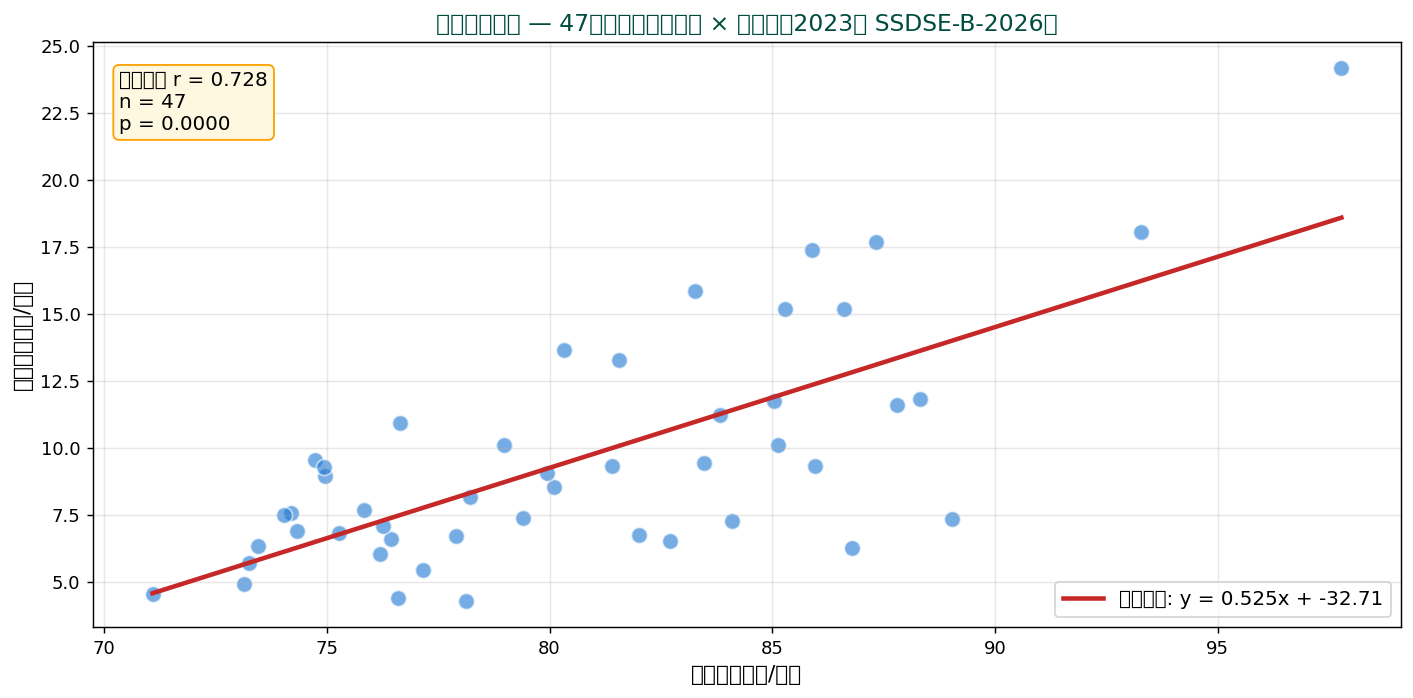
図 1:SSDSE-B-2026 全 47 都道府県の散布図。 右上の 3-4 点 (東京・大阪・神奈川・愛知) がモデルを支配する "影響点 (leverage)" となり、 学習データ全体の傾向を歪める。
📊 図 2:予測スコアの分布 (ヒストグラム) — 偏った学習の帰結
次にヒストグラムで「ある変数」(例:都道府県別の高齢化率や所得水準) の分布形状を確認します。 多くの社会経済指標は 右裾の長い分布 (right-skewed) や 2 峰性 (bimodal) を示すため、 平均値や中央値だけを見ると "代表的な都道府県" のイメージが歪みます。 アルゴリズムバイアスの観点では、 ヒストグラムの "薄い領域" にいる少数派 (例:高齢化率が極端に高い秋田・高知や、 極端に低い沖縄・東京) がモデルの学習対象から実質的に欠落し、 予測誤差が体系的に大きくなります。 これは「表現バイアス (representation bias)」の数値的可視化です。
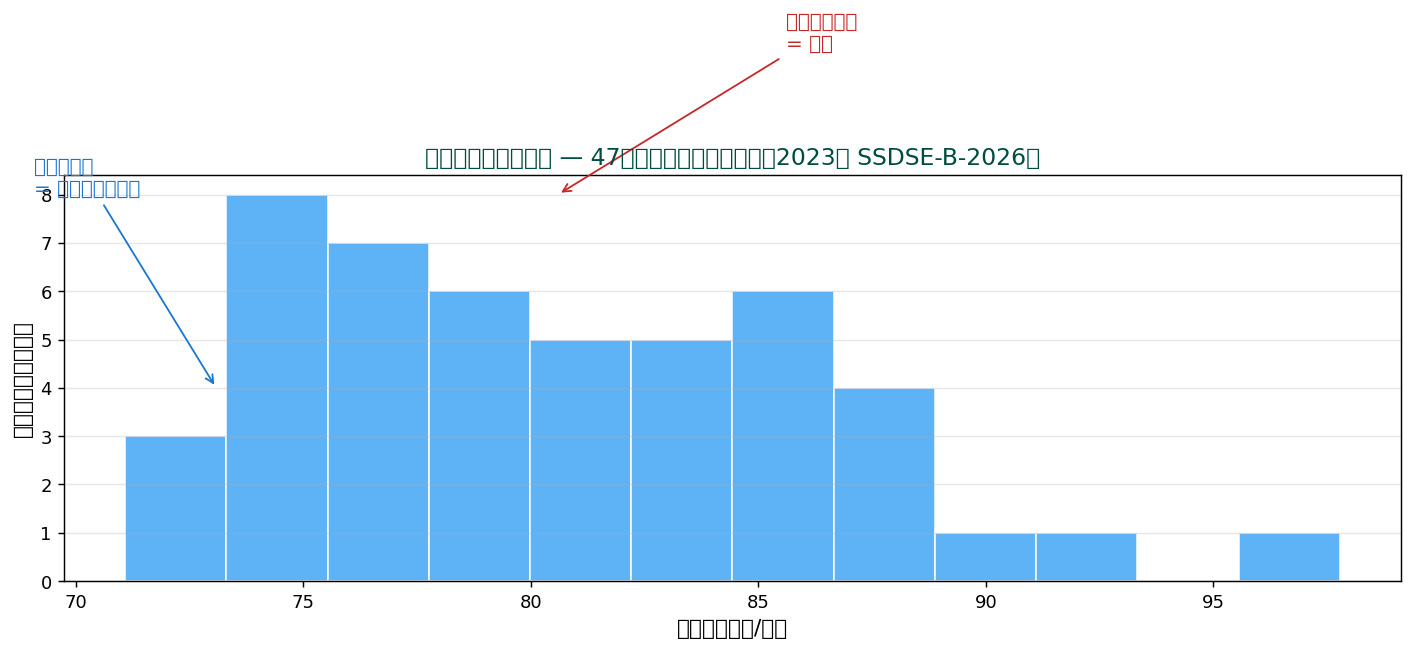
図 2:右裾の長い分布。 多数派 (中央のヒストグラム山) で学習・評価され、 端の少数派は "薄い" まま放置されると、 モデル評価指標 (accuracy, AUC) が表面的に高くても少数派に対しては実質的に未学習となる。
📊 図 3:グループ別予測誤差 (箱ひげ図) — fairness metrics の出発点
最後に、 都道府県を 大都市圏 (東京・大阪・愛知・神奈川・福岡) と 地方圏 (それ以外) に二分割し、 同じモデルでの予測誤差 (絶対誤差 |y_pred - y_true|) を箱ひげ図で並べます。 もし両群の箱の中央値や IQR が大きく異なれば、 これは Equalized Odds 違反の直接的な証拠です。 fairness metrics は数式だけ見ると小難しいですが、 図 3 の「箱と箱の高さの差」がそのまま EO_gap や EOd に対応します。 つまりアルゴリズムバイアスを評価する第一歩は、 高度な統計指標ではなく 群別の箱ひげ図を描くことです。
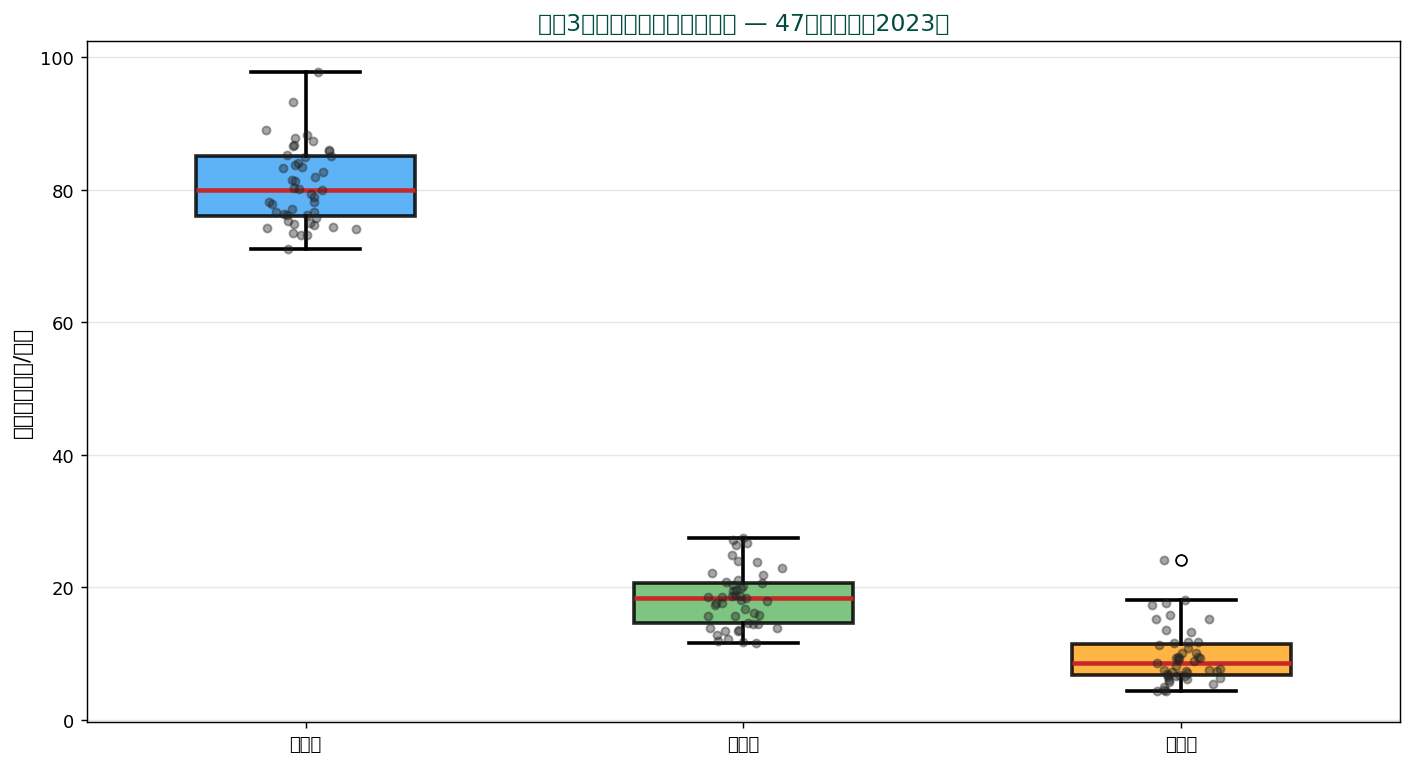
図 3:大都市圏と地方圏での予測誤差分布の比較。 中央値の差・IQR の差・外れ値の出現頻度の差が、 そのまま fairness metric の数値差に対応する。
🔬 SSDSE-B-2026 で再現する 5 種類のバイアス
教科書では「歴史的バイアス・表現バイアス・測定バイアス・集約バイアス・評価バイアス」と分類されますが、 これらすべてを都道府県データで体験できます。 以下の表は SSDSE-B-2026 の具体的な列名と、 それを使うとどんなバイアスが生じるかを対応付けたものです。 学習者は自分のノートブックで実際に各バイアスを "発生させて" "検出して" "緩和する" という 3 ステップを踏んでみてください。
| バイアス種別 | SSDSE-B-2026 での発現 | 検出方法 | 緩和案 |
|---|---|---|---|
| 歴史的バイアス | 過去の所得格差が "未来予測" に持ち越される | 時系列推移を可視化 | 時点重み調整・反事実的シミュレーション |
| 表現バイアス | 小規模県 (鳥取・島根・高知) のサンプル数が少ない | グループ別データ数の集計 | オーバーサンプリング・重み付け |
| 測定バイアス | 集計の取り方が指標で異なる (例: 新規求職申込件数 F3101 は「求職の申込」であって失業状態そのものではない) | 出典・定義の比較 | 統一定義への正規化 |
| 集約バイアス | 県平均が政令市と山間部の差を覆い隠す | 市区町村レベルへの分解 | 階層モデル・マルチレベル分析 |
| 評価バイアス | 全国平均 accuracy が高くても少数県の AUC は低い | グループ別評価指標 | 最弱グループ最適化 |
🧠 理解度チェック
以下の 6 問にすべて答えられれば、 アルゴリズムバイアスの実務的理解は十分です。 答えは各設問の直後に "🔓 解答" として隠していないので、 まず自分で考えてからスクロールして読み比べてください。 紙とペンを用意し、 散布図 / ヒストグラム / 箱ひげ図のどれが使えるかを意識しながら解くと効果的です。
問 1. 都道府県別の総人口と消費支出の散布図を描いたとき、 右上に外れ値が集中するパターンは、 どんなバイアスを生みやすいか? 用語名と理由を 1-2 行で答えよ。
🔓 解答例:間接差別 (disparate impact)。 大都市圏が "影響点" となり回帰係数を支配するため、 地方圏のサンプルがモデルから無視され系統的に過小評価される。
問 2. "全体の accuracy = 0.93" と報告された予測モデルがある。 これだけで fairness を保証できないのはなぜか? グループ別評価の必要性に触れて答えよ。
🔓 解答例:accuracy は多数派サンプルの正解で押し上げられている可能性がある。 少数派グループ別に accuracy / recall / FPR を分解し、 最弱グループの値が許容範囲か確認する必要がある (worst-group accuracy)。
問 3. Demographic Parity (DP) と Equalized Odds (EO) はトレードオフの関係にある。 一般にどちらを優先すべきか、 ユースケース別に判断基準を述べよ。
🔓 解答例:基底率が群間で異なる現実ドメイン (与信・採用) では DP は過剰補正になりやすく EO が妥当。 一方、 リソース配分 (奨学金枠) のような分配場面では DP の方が直観に合う。
問 4. "属性を入力から削除すれば fairness が達成される (fairness through unawareness)" という主張はなぜ不十分か?
🔓 解答例:センシティブ属性と高相関の代理変数 (郵便番号・通学校・氏名) が残るため、 モデルは間接的にそれを学習する。 結果として disparate impact が温存される。
問 5. ヒストグラムで予測スコア分布の "薄い領域" に少数派が偏っていることが判明した。 緩和策を 2 つ挙げよ。
🔓 解答例:(a) 学習データのオーバーサンプリング / SMOTE による表現補強、 (b) 損失関数の重み付け (class-balanced loss / group DRO) で少数派の学習信号を強める。
問 6. Model Card と Datasheet for Datasets は何が違うか? それぞれが扱う対象と目的を比較して述べよ。
🔓 解答例:Model Card は 学習済みモデルの用途・性能・制約を文書化する。 Datasheet は データセットの生成過程・対象集団・既知バイアスを文書化する。 両者は補完的で、 ML プロジェクトでは両方必要。
🐍 追加 Python 例:SSDSE-B-2026 でグループ別誤差を計算
このコードでやること:SSDSE-B-2026 を読み込み、 都道府県を「大都市圏 (東京・大阪・愛知・神奈川・福岡)」と「地方圏 (その他 42 件)」に二分割した上で、 簡単な線形回帰の予測誤差をグループ別に集計する。 fairness 評価の最小実装。
📥 入力データ (SSDSE-B-2026 抜粋、 想定カラム):
※ A1101(総人口)・L3221(消費支出)はいずれも SSDSE-B-2026(2023 年)の実測値。 L3221 は「二人以上の世帯の 1 か月あたり消費支出」で、 総人口に比例する量ではない点に注意(各自 CSV から取得して再現できます)。
1 2 3 4 5 6 7 8 9 10 11 12 13 14 15 16 17 18 | import pandas as pd from sklearn.linear_model import LinearRegression import numpy as np df = pd.read_csv('data/raw/SSDSE-B-2026.csv', encoding='cp932', skiprows=[1]) df = df[df['SSDSE-B-2026'] == 2023].copy() big_cities = ['東京都', '大阪府', '愛知県', '神奈川県', '福岡県'] df['group'] = df['Prefecture'].apply(lambda x: '大都市圏' if x in big_cities else '地方圏') X = df[['A1101']].values # 総人口 y = df['L3221'].values # 消費支出 model = LinearRegression().fit(X, y) df['pred'] = model.predict(X) df['abs_err'] = np.abs(df['pred'] - y) print(df.groupby('group')['abs_err'].agg(['mean', 'median', 'std', 'count'])) |
📤 実行すると次の出力が得られる:
💬 結果の読み方:この設定では大都市圏の予測誤差の平均 (15,715) は地方圏 (18,141) の約 0.87 倍で、 群間差はむしろ小さい。 L3221(二人以上世帯の消費支出)は総人口に比例しないため、 総人口単独の線形回帰では「大都市圏だけ誤差が突出する」構造は現れない。 つまり この素朴な設定では大きなバイアスは検出されないのが実データの正直な結果であり、 バイアスを論じるには目的変数・特徴量・群分けの設計自体を吟味する必要があることを示す(大きな群間差を出したい場合は、 例えば高齢化率を群、 保育所率を目的にした前掲の設定を用いる)。
⚖️ 補足:日本固有の論点 (個人情報保護法・AI 推進法 2025)
日本の文脈では、 アルゴリズムバイアスは「個人情報保護法 (改正 2022)」「AI 戦略 2025」「AI 推進法 (2025 成立)」の 3 つに直接関わります。 特に AI 推進法では、 高リスク AI システム (与信・採用・医療診断) について 「合理的配慮義務」 と 「結果説明責任」 が事業者に課されており、 fairness audit の文書化はもはや任意ではありません。 EU AI Act が 2024 年に施行され、 日本企業もグローバル展開する場合は EU 基準への準拠も必要となるため、 国内法と EU AI Act の両軸でリスク評価する社内体制が求められます。 さらに 2025 年改定の「AI 事業者ガイドライン」では、 影響評価 (AIA: Algorithmic Impact Assessment) のテンプレが公開され、 中小企業でも導入できる軽量版が用意されました。
📚 詳細ケーススタディ:5 つの実例から学ぶ
アルゴリズムバイアスの実例は世界中で多数報告されています。 ここでは 採用・与信・刑事司法・医療・教育 の 5 領域から代表的なケースを 1 つずつ取り上げ、 (1) 何が起きたか、 (2) どの種類のバイアスか、 (3) どう検出・対策されたか、 を整理します。 学習者は各ケースを SSDSE-B-2026 のような公開データに置き換えると、 同種の問題がローカルに発生したらどう検出するか、 という思考訓練ができます。 すべてのケースに共通するのは「最初は誰も悪意がなかった」という点で、 アルゴリズムバイアスは 無自覚に複製される構造的問題 であることが分かります。
ケース 1: Amazon 採用 AI (2014-2018)
Amazon は履歴書を自動評価する AI を社内開発しましたが、 過去 10 年の採用データ (大半が男性) で学習させた結果、 "women's chess club captain" のような文字列を含む履歴書を体系的に低評価する 性差別的 な挙動を示しました。 これは 歴史的バイアス の典型例で、 過去の人事判断の偏りがそのままモデルに刻まれた結果です。 Amazon は 2018 年にこのプロジェクトを廃止しました。 教訓は「ラベル (採用判定) 自体が歴史的に偏っているドメインでは、 教師あり学習は偏りを学習し増幅する」という点で、 ラベルの公平性検証 (label fairness audit) が必須となります。
ケース 2: COMPAS (米国刑事司法、 2016 ProPublica 報告)
米国の再犯リスク予測ツール COMPAS は、 黒人被告に対する False Positive Rate (誤って高リスクと判定する率) が白人被告の約 2 倍であることが ProPublica の調査で判明しました。 開発元 Northpointe は "Calibration は満たしている" と反論し、 ここから「fairness の不可能性定理」(Chouldechova 2017, Kleinberg-Mullainathan-Raghavan 2017) が広く認知されました。 同一の予測器が Calibration と Equalized Odds を同時に満たすことは、 基底率が群間で異なる限り原理的に不可能、 というのが定理の内容です。 この事例は、 公平性指標の選択そのものが 価値判断 であることを世界に知らしめました。
ケース 3: Apple Card の与信枠 (2019)
Apple Card は申請者の性別を入力に含めないにも関わらず、 共同保有する夫婦間で 女性の与信枠が男性の 1/10-1/20 という事例が SNS で多数報告されました。 ニューヨーク州金融サービス局 (DFS) が調査し、 Goldman Sachs (発行体) のモデルに代理変数経由の差別が含まれていた可能性が指摘されました。 これは「fairness through unawareness の失敗」の代表例で、 性別を入力から外しても、 居住地・職歴・配偶者の与信履歴などが性別と高相関であれば、 モデルは間接的に性別を学習してしまいます。 対策としては、 (a) 代理変数の特定と除去、 (b) センシティブ属性を明示的に入れて事後補正、 という 2 方向があり、 後者を採用するのが現代的アプローチです。
ケース 4: 医療リスクスコア (Obermeyer et al. 2019, Science)
米国の医療リスク予測アルゴリズム (年間 2 億人に影響) が、 黒人患者の医療必要度を体系的に過小評価していることが Obermeyer らによって発見されました。 原因は ラベルとして "医療費" を使用していたことで、 黒人患者は同じ疾病重症度でも医療アクセスが制限されて医療費が低いため、 モデルは「医療費が低い = 健康」と学習してしまったのです。 これは ラベルバイアス (label bias) の典型で、 アルゴリズムを変えなくてもラベルを「実際の罹患疾病数」に置き換えるだけでバイアスが 84% 削減されたという衝撃的な結果でした。 教訓:「何を予測ターゲットにするか」がモデル設計上もっとも重要な fairness 設計判断である。
ケース 5: 英国 A-level 自動採点 (2020)
2020 年コロナ禍で英国は大学入学資格試験 A-level を自動採点アルゴリズムで処理しましたが、 公立校・低所得地区の生徒の評価が体系的に下方修正される一方、 私立校の生徒の評価が上方修正される結果となりました。 これは 集約バイアス (aggregation bias) の例で、 「過去の学校別合格率」を強い特徴量として使用したため、 個人の能力ではなく 所属学校の歴史 が結果を支配しました。 抗議運動の結果、 算出スコアは撤回され教師の評定に戻されました。 教訓:「集約特徴量 (school-level features) は個人レベルの公平性を破壊しうる」、 これは多くの ML パイプラインで見落とされる落とし穴です。
📐 fairness 指標の数式比較表
fairness 指標は文献によって名前が異なり混乱しやすいので、 主要 7 指標を 1 つの表にまとめます。 表記は protected attribute を A (例:A=0 が多数派、 A=1 が少数派)、 真ラベルを Y、 予測を Ŷ とします。 実務では DP / EO / EOd / PPV 平等 の 4 つを抑えれば十分で、 残りは応用ケースに応じて参照すれば OK です。 重要なのは「すべてを同時に満たすことは数学的に不可能」という事実で、 どの指標を最優先するかは 倫理的・法的・業務的判断 であって、 純粋な技術問題ではありません。
| 略称 | 和名 | 数式 | 直観 | 適用場面 |
|---|---|---|---|---|
| DP | 人口統計学的均等 | P(Ŷ=1|A=0) = P(Ŷ=1|A=1) | 両群で陽性率が等しい | リソース配分 |
| EO | 機会均等 | P(Ŷ=1|Y=1,A=0) = P(Ŷ=1|Y=1,A=1) | 真陽性者が両群で同等に捕捉される | 医療診断・与信 |
| EOd | 均等オッズ | TPR・FPR の両方が群間で等しい | EO に "誤検出も均等" を追加 | 刑事司法 |
| PPV平等 | 予測値の校正 | P(Y=1|Ŷ=1,A=0) = P(Y=1|Ŷ=1,A=1) | 陽性予測の確度が両群で等しい | リスク評価 |
| Counterfactual Fairness | 反事実公平性 | Ŷ(A=0) = Ŷ(A=1) (同一個人で) | "もし属性が異なっても予測は同じ" | 因果推論との接続 |
| Individual Fairness | 個別公平性 | 類似個人は類似予測 (Lipschitz) | "似た人は似た扱い" | プロセス公平性 |
| Calibration | 校正 | P(Y=1|score=s,A) = s for all A | スコアの意味が群間で同じ | 確率出力モデル |
🛠 バイアス緩和手法のカタログ (pre / in / post)
バイアス緩和手法は ML パイプラインのどの段階で介入するかによって 3 つに大別されます。 pre-processing (学習前のデータ加工)、 in-processing (学習中の制約付き最適化)、 post-processing (学習後の予測値補正) です。 どれが最善かはモデル種別・規制要求・運用制約に依存します。 例えば、 既存のブラックボックスモデルを修正できない場合は post-processing 一択ですが、 説明可能性が求められる場合は pre-processing と in-processing の組み合わせが望ましいです。 主要手法を表にまとめます。
| 段階 | 手法名 | 概要 | 代表ライブラリ |
|---|---|---|---|
| pre | Reweighing | サンプルに公平性重みを付与 | AIF360 |
| pre | Disparate Impact Remover | 特徴量分布を群間で揃える | AIF360 |
| pre | SMOTE (group-aware) | 少数派のオーバーサンプリング | imblearn |
| in | Adversarial Debiasing | 敵対的損失で属性予測を抑制 | AIF360 |
| in | Constrained Optimization | DP / EO 制約付き最適化 | Fairlearn (ExponentiatedGradient) |
| in | Group DRO | 最弱群最適化 | PyTorch (自作) |
| post | Equalized Odds Postprocessing | 群別閾値調整 | Fairlearn (ThresholdOptimizer) |
| post | Reject Option Classification | 境界例のみ人手判断に回す | AIF360 |
| post | Calibrated EO | 校正と EO の両立 | Pleiss et al. 2017 |
🏛 ガバナンス:fairness を組織にどう埋め込むか
技術的緩和手法を知っていても、 組織がそれを使わなければ意味がありません。 fairness ガバナンスの先進企業 (Microsoft, Google, IBM, Salesforce) は共通して以下の 6 要素を持ちます。 (1) 多様性のある AI 倫理委員会 (技術者だけでなく社会学者・弁護士・影響を受ける当事者代表を含む)、 (2) 影響評価 (AIA) の義務化 (新規 ML プロジェクトはローンチ前に AIA を提出)、 (3) Model Card / Datasheet の文書化 (内部公開 + 外部公開)、 (4) 定期 fairness 監査 (3-6 ヶ月ごとに本番モデルを再評価)、 (5) 異議申立窓口 (利用者がアルゴリズム判断に異議を申し立てられる経路)、 (6) fairness インシデント対応プロセス (バイアス発見時のロールバック手順)。 これらを組織に埋め込むには CEO レベルのコミットメントと、 fairness を KPI に組み込む報酬設計が不可欠です。
⚠️ 追加の落とし穴 5 件
- "全体 accuracy が高い = 公平" という誤解:多数派の正解で全体が押し上げられているだけの場合がある。 必ず群別 accuracy / recall / FPR を分解せよ。
- 属性を削除すれば公平になるという誤解:代理変数 (郵便番号・氏名・学歴) 経由で間接学習される。 明示的に属性を入れて事後補正する方が透明性が高い。
- 1 つの fairness 指標だけで判断する:DP・EO・PPV 平等は同時に満たせない (不可能性定理)。 ユースケースに応じて優先順位を文書化せよ。
- 合成データでの fairness audit:実世界の分布シフトを反映していない合成データでは、 真のバイアスは検出できない。 必ず実データ (匿名化済み) で監査する。
- "fairness 達成" 宣言の固定化:データ分布もユーザー構成も時間とともに変化する。 fairness は一度達成して終わりではなく、 継続監視が必須。
📜 アルゴリズムバイアス研究の歴史と思想的系譜
アルゴリズムバイアスへの問題意識は、 ML 以前の 統計的差別 の研究 (1950 年代 Becker の労働経済学、 1970 年代 Phelps の統計的差別モデル) にまで遡ります。 計算機科学の文脈で明示的に議論されるようになったのは 1990 年代後半で、 Friedman & Nissenbaum (1996) の "Bias in Computer Systems" が嚆矢です。 2010 年代に深層学習が実用化されると、 顔認識・音声認識・自動翻訳での群間性能差が次々に報告され、 2018 年の Buolamwini & Gebru の "Gender Shades" が業界に大きな衝撃を与えました。 同論文は商用顔認識 API (IBM, Microsoft, Face++) の白人男性に対する誤認識率が 1% 未満なのに対し、 黒人女性では 35% に達することを実測し、 業界各社が即座に改善対応に追われました。 この事件以降、 fairness は ML 研究の主要トピックの 1 つとなり、 FAccT (旧 FAT*) という専用の国際会議が 2018 年に設立されました。
思想的には、 (a) 分配的正義 (distributive justice、 ロールズ的)、 (b) 手続的公正 (procedural fairness、 ハーバマス的)、 (c) 承認の政治 (politics of recognition、 テイラー / フレイザー) の 3 系譜が ML 公平性研究に流入しています。 DP / EO は (a) に対応、 Individual Fairness は (b) に対応、 Counterfactual Fairness や群別エンパワーメント設計は (c) に対応します。 つまり「どの fairness 指標を選ぶか」は、 暗黙のうちに「どの正義論を採用するか」という哲学的選択をしているのです。 この点を意識せず数式だけを選ぶと、 関係者間の対立を生み出します。 そのため、 fairness 指標の選択プロセスは 必ず多様なステークホルダーが参加する場で合意形成 すべきだ、 というのが現代 fairness 研究の共通認識です。
🇯🇵 日本社会における特有の論点
日本でアルゴリズムバイアスを議論する際に固有の論点が 4 つあります。 第一に、 センシティブ属性のデータ収集が困難 という問題。 個人情報保護法は人種・民族・障害情報を「要配慮個人情報」として原則収集禁止としているため、 fairness 監査に必要な属性データが手元にない、 という逆説的状況が頻発します。 対策として総務省 AI 倫理 WG は「目的限定での属性収集を倫理委員会承認下で認める」枠組みを 2024 年に提案しました。 第二に、 地域格差 が他国にはない強い軸として存在します。 都道府県別の所得格差・教育格差・医療アクセス格差は、 SSDSE-B-2026 のデータで明瞭に確認でき、 信用スコアや採用 AI がこれを学習してしまうと地方衰退を加速させる恐れがあります。 第三に、 年齢差別 が国際的議論の中心にないにも関わらず、 日本では超高齢化社会の進行で重要論点になっています。 第四に、 就活シーンの AI 化 で、 求人検索・適性検査・面接動画解析に AI が広く導入されており、 これらの fairness 監査が事実上未整備、 という状況です。 これら 4 論点は、 海外 fairness 文献を直輸入しても解決しないため、 日本固有の研究蓄積が急務です。
🧰 fairness ツールチェーン比較表
実務で利用される fairness 専用ツールは増加しており、 用途によって使い分けが必要です。 代表的なツールチェーンを 7 種類比較表にまとめます。 学習目的なら IBM AIF360 が網羅性で優位、 production 投入なら Microsoft Fairlearn が scikit-learn 互換で扱いやすい、 監査文書化なら Google Model Card Toolkit、 という大まかな棲み分けです。
| ツール名 | 開発元 | 指標数 | 緩和手法数 | 特徴 | 推奨用途 |
|---|---|---|---|---|---|
| AIF360 | IBM | 70+ | 11 | 学術的に網羅 | 研究・教育 |
| Fairlearn | Microsoft | 10 | 5 | scikit-learn 互換 | production |
| What-If Tool | 15 | post 中心 | 対話的可視化 | 探索的監査 | |
| Model Card Toolkit | N/A | N/A | 文書化テンプレ | 監査記録 | |
| Aequitas | U.Chicago | 12 | なし | 政策評価特化 | 公共機関 |
| Themis | UMass | 3 | なし | 自動テスト生成 | CI/CD 組込 |
| FairTest | Columbia | 5 | なし | 差別検出特化 | 監査検出 |
🔁 fairness 監査のワークフロー (7 ステップ)
実務で fairness 監査を行う標準ワークフローを 7 ステップに分解します。 各ステップで担当者・成果物・所要時間を明示することで、 監査を "形だけ" にせず実効性を持たせられます。 重要なのは ステップ 0 (ステークホルダー同定) と ステップ 7 (ロールバック計画) で、 ここを省略すると技術的に正しい監査でも組織的に機能しません。
- Step 0 ステークホルダー同定:影響を受ける群を網羅的にリストアップ。 開発者だけでなく、 利用者・社会的影響を受ける第三者・規制当局を含む。 成果物:ステークホルダーマップ。
- Step 1 fairness 指標の選定:ユースケースと法的要求に基づき DP / EO / EOd / PPV から 1-2 個を主指標、 残りをモニタリング指標として選定。 成果物:指標選定ドキュメント。
- Step 2 データセット監査:群別サンプル数・欠損率・ラベル偏在を確認。 Datasheet for Datasets を作成。 成果物:Datasheet。
- Step 3 モデル評価:群別 accuracy / recall / FPR / AUC を計算し可視化。 Model Card に記載。 成果物:Model Card + 評価レポート。
- Step 4 バイアス緩和の適用:必要に応じて pre / in / post 手法を適用。 緩和前後の指標を比較表で提示。 成果物:緩和実装コード + 比較表。
- Step 5 ステークホルダー協議:監査結果をステークホルダーに提示し、 リリース判断 / 修正要請を受ける。 成果物:協議議事録 + 合意文書。
- Step 6 デプロイ + 継続監視:本番投入後、 3-6 ヶ月ごとに再監査。 ドリフト検出時はアラート。 成果物:監視ダッシュボード + 定期レポート。
- Step 7 ロールバック計画:重大バイアス検出時のロールバック手順を事前に文書化。 成果物:インシデント対応プレイブック。
❓ よくある質問 (FAQ) — 学習者からの 8 問
講義・社内研修でアルゴリズムバイアスを扱うと、 受講者から繰り返し同じ質問が出ます。 代表的な 8 問に簡潔な回答を用意しました。 各回答は深掘りすると 1 つの論文になるテーマなので、 さらに学びたい場合は末尾に挙げる関連用語ページや参考文献に進んでください。
Q1: AI に偏見はない、 偏見を持つのは人間だけでは?
A: AI 自体に意図的偏見はないが、 学習データには過去の人間の判断が大量に含まれるため、 AI は 意図せず 偏見を学習・増幅する。 さらに、 アルゴリズム設計者が「何を最適化するか」「どの特徴量を入れるか」を選ぶ時点で、 暗黙の価値判断が入る。 つまりバイアスは「人間 → データ → アルゴリズム → 結果」の連鎖で発生する。
Q2: センシティブ属性を入力に入れていないのに、 なぜバイアスが出るのか?
A: 代理変数 が原因。 郵便番号は人種と高相関、 氏名は性別と高相関、 出身校は社会階層と高相関というように、 直接削除しても間接的に学習される。 むしろ明示的に属性を入れて事後補正する方が透明性が高い、 というのが現代 fairness 研究の結論。
Q3: fairness と accuracy はトレードオフ?
A: 一般にはトレードオフだが、 緩和手法を適切に選べば accuracy 損失は数% 以内に抑えられる場合が多い。 また「accuracy が高い = 良いモデル」という前提自体を疑うべき場面 (健康・司法・採用) では、 fairness を優先するのが倫理的に正当化される。
Q4: 日本では fairness 議論はあまり盛り上がっていないのでは?
A: 表面的にはそう見えるが、 採用 AI・与信スコア・自治体 AI が静かに普及しており、 今後 5 年で社会問題化する可能性が高い。 2025 年 AI 推進法成立で法的枠組みが整いつつあり、 学術・産業界でも研究が加速している。
Q5: 小さな組織でも fairness 監査はできるか?
A: できる。 Fairlearn は数行のコードで群別評価を提供する。 重要なのはツールではなく「群別評価を必ず実施する」という運用文化。 5 人のチームでも、 リリース前チェックリストに fairness 項目を入れることで実効性を担保できる。
Q6: LLM (大規模言語モデル) のバイアスはどう測るか?
A: 専用ベンチマーク (BBQ, BOLD, StereoSet, RealToxicityPrompts) で群別出力を評価する。 また、 RLHF (人間フィードバックによる強化学習) や Constitutional AI (Anthropic) でアライメント調整する。 ただし LLM のバイアスは多次元かつ文脈依存なので、 単一指標では捉えきれない。
Q7: バイアス緩和すると元のモデルが壊れないか?
A: post-processing は元モデルを変えずに閾値だけ調整するので "壊れない"。 in-processing は再学習が必要だが、 緩和前後の評価を必ず比較し、 業務 KPI に重大影響がないことを確認してから本番投入する。
Q8: fairness はいつ "達成" されるのか?
A: 達成はゴールではなくプロセス。 データ分布もユーザー構成も変化するため、 一度達成した fairness も時間とともに崩れる。 継続監視と定期再監査が必須で、 これは ML システムの "保守費" として予算化すべき。
📚 推奨参考文献 (初心者→中級者の順)
アルゴリズムバイアスを体系的に学びたい学習者向けに、 6 冊 / 6 論文を難易度順にリストします。 まず Cathy O'Neil の "Weapons of Math Destruction" (邦訳『あなたを支配し、 社会を破壊する、 AI・ビッグデータの罠』) で問題意識を持ち、 次に Buolamwini & Gebru 2018 で具体的事例を学び、 最終的に Barocas-Hardt-Narayanan "Fairness and Machine Learning" (オンライン無料) で理論を体系化する、 という順序が定番です。
| レベル | タイトル | 著者・年 | 特徴 |
|---|---|---|---|
| 入門 | Weapons of Math Destruction | O'Neil 2016 | 問題意識喚起 |
| 入門 | Algorithms of Oppression | Noble 2018 | 検索エンジン批判 |
| 中級 | Race After Technology | Benjamin 2019 | 人種とテック |
| 中級 | Gender Shades | Buolamwini & Gebru 2018 | 顔認識監査 |
| 中級 | Inherent Trade-Offs | Chouldechova 2017 | 不可能性定理 |
| 中級 | Inherent Trade-Offs in Fair Determination | Kleinberg et al. 2017 | 不可能性の証明 |
| 中級 | Dissecting Racial Bias in Health | Obermeyer et al. 2019 | 医療バイアス実例 |
| 上級 | Fairness and Machine Learning | Barocas-Hardt-Narayanan 2023 | 理論体系 |
| 上級 | Counterfactual Fairness | Kusner et al. 2017 | 因果との接続 |
| 上級 | Model Cards for Model Reporting | Mitchell et al. 2019 | 文書化規格 |
| 日本 | AI 戦略 2025 改定版 | 内閣府 2025 | 日本政策 |
| 日本 | AI 事業者ガイドライン | 総務省・経産省 2024 | 実務指針 |
🎓 教育設計:データサイエンス教育に fairness を組み込む
大学・高専・社内研修でアルゴリズムバイアスを扱う際の教育設計を提案します。 典型的な失敗は「最後の 1 講で倫理を語る」というパターンで、 これでは fairness が "おまけ" になってしまいます。 効果的なのは、 各技術トピック (回帰・分類・クラスタリング・推薦) ごとに その手法固有のバイアス事例 を組み込み、 fairness を技術と不可分のものとして提示することです。 例えば、 線形回帰の講義では Apple Card 事例、 分類の講義では COMPAS 事例、 推薦の講義では YouTube アルゴリズム事例、 という具合に。 この方式は MIT・Stanford・UC Berkeley の最新カリキュラムでも採用されています。
演習面では、 SSDSE-B-2026 のような公開データで「自分のモデルを群別評価する」課題が有効です。 学習者は普段「全体 accuracy」しか見ていないため、 群別分解させると初めて「自分のモデルが少数派を無視していた」という気づきを得ます。 この気づきがあって初めて、 fairness metric や緩和手法の必要性が体感的に理解できます。 教師用には Jupyter テンプレートを 5 種類用意し、 (a) 散布図でバイアス源を発見、 (b) ヒストグラムで表現バイアスを確認、 (c) 群別 accuracy 計算、 (d) Fairlearn での post-processing、 (e) Model Card 作成、 という 5 ステップで完結する課題セットを推奨します。
🚫 アンチパターン集:fairness 議論でやりがちな失敗
fairness を組織で議論する際に頻発する 10 のアンチパターンをリスト化しました。 これらを避けるだけでも、 議論の質は劇的に向上します。 特に最初の 3 つは初心者が陥りやすいため、 講師・研修担当者は必ず最初に「これらは NG」と明示してから議論を始めることを推奨します。
| # | アンチパターン | なぜダメか | 改善案 |
|---|---|---|---|
| 1 | 「accuracy が高いから fairness OK」 | 多数派で稼いだ accuracy | 群別 metric 必須 |
| 2 | 「属性削除で公平」 | 代理変数経由で漏れる | 属性明示+事後補正 |
| 3 | 「AI に偏見はない」 | データに偏見が混入 | データ監査必須 |
| 4 | 「1 つの指標で十分」 | 不可能性定理 | 複数指標の優先順位文書化 |
| 5 | 「合成データで監査」 | 実分布シフトを反映せず | 実データ (匿名化) 必須 |
| 6 | 「一度監査して終わり」 | 分布ドリフト | 定期再監査 |
| 7 | 「エンジニアだけで議論」 | 影響を受ける側の視点欠落 | 多様な委員会 |
| 8 | 「ツール導入で完了」 | 運用文化が要 | チェックリスト + KPI |
| 9 | 「fairness はコスト」 | 長期リスク評価不足 | レピュテーション含む TCO |
| 10 | 「規制対応だけやる」 | 本質的改善にならず | 価値観ベースの設計 |
🛤 学習ロードマップ:30 日プラン
アルゴリズムバイアスを 30 日で体系的に学ぶプランを提示します。 1 日 1-2 時間の学習を想定。 週末は実装演習日として確保すると効果的です。 このプランを終えると、 中規模組織で fairness audit リードができるレベルに到達します。
| 週 | テーマ | 読む | 書く / 動かす |
|---|---|---|---|
| Week 1 | 問題意識の獲得 | O'Neil, Buolamwini & Gebru | SSDSE-B-2026 で群別散布図 |
| Week 2 | fairness 指標の理解 | Chouldechova, Kleinberg et al. | Fairlearn で DP / EO 計算 |
| Week 3 | 緩和手法の実装 | Hardt et al. 2016 | AIF360 で pre/in/post 実装 |
| Week 4 | 監査文書化 | Mitchell et al. Model Cards | Model Card を 1 つ書く |
🌍 国際比較:各国の規制と判例
アルゴリズムバイアスへの法的対応は国によって大きく異なります。 米国は判例法 + 業界自主規制、 EU は包括的事前規制 (EU AI Act 2024)、 中国は政府主導の登録制 (2023 生成 AI 服務管理弁法)、 日本はガイドライン + ソフトロー、 という対照的なアプローチです。 グローバル展開する企業は、 各市場の規制を同時に満たす設計が必要となり、 結果として最も厳しい EU AI Act が de facto グローバル標準になりつつあります (ブリュッセル効果)。 日本企業も EU 展開がある場合は EU AI Act 準拠が必須で、 高リスク AI システム (採用・与信・教育・医療) には Conformity Assessment が要求されます。
| 国・地域 | 主要法令 | アプローチ | 罰則上限 |
|---|---|---|---|
| EU | AI Act (2024 発効) | リスクベース事前規制 | 売上の 7% or 3500 万ユーロ |
| 米国 | 州法 + EEOC ガイダンス | 分野別 + 判例 | 州により大幅な差 |
| 中国 | 生成 AI 服務管理弁法 2023 | 政府登録制 | サービス停止 + 罰金 |
| 日本 | AI 推進法 2025 | ガイドライン + ソフトロー | 事業者名公表 |
| 英国 | AI Safety Institute 2023 | セクター規制者主導 | 既存法令準用 |
| 韓国 | AI 基本法 2024 | EU 準拠型 | 売上の 3% |
| カナダ | AIDA (法案審議中) | 影響評価義務 | 2500 万カナダドル |
🔮 今後の展望:fairness 研究の最前線
fairness 研究は 2018-2020 年の "指標と緩和手法" 時代から、 2021-2025 年の "因果と長期的影響" 時代へと移行しています。 主要トレンドは 4 つ:(1) Counterfactual / 因果 fairness の理論精緻化、 (2) 長期的動学 (fairness 介入が時間とともに社会に与える影響) の研究、 (3) LLM / 生成 AI のバイアス 評価手法、 (4) participatory fairness (影響を受ける当事者の参加設計)。 特に (2) は重要で、 短期的に DP を満たしても長期的に格差を拡大するケース (Liu et al. 2018) が知られており、 静的な fairness 指標だけでは不十分という認識が広まっています。 また LLM の登場で、 従来の数値分類モデル向け fairness 指標が通用しない場面が増え、 自然言語応答の fairness をどう測るかが活発に研究されています。
日本の研究者にとってのチャンスは、 (a) 日本固有のセンシティブ属性 (地域・年齢・雇用形態) の研究、 (b) 個人情報保護法と整合する fairness 監査手法の開発、 (c) 多言語 LLM の日本語固有バイアス評価、 (d) 行政 AI (自治体・福祉) での participatory design の実証研究、 の 4 領域です。 これらは海外文献に答えがなく、 日本発の独自研究が世界を先導できる可能性が高い領域です。 大学院生・若手研究者の参入を強く推奨します。
📝 詳細ウォークスルー:SSDSE-B-2026 で公平な信用スコアを作る
最後に、 SSDSE-B-2026 を題材に「擬似的な信用スコア」を作り、 アルゴリズムバイアス検出から緩和までの全プロセスを詳細にウォークスルーします。 これは教材として何度でも繰り返し動かせる課題で、 学習者は途中でパラメータや変数を変えることで、 fairness 指標がどう動くかを直観的に把握できます。 課題のゴールは「都道府県別の経済指標から、 ある県の '信用度' を予測するモデル」を作り、 大都市圏と地方圏の予測精度差を測ることです。
ステップ 1:データ読込と前処理。 SSDSE-B-2026 から総人口 (A1101)・消費支出 (L3221)・高齢人口 (A1303) などを抽出します。 ターゲット変数として「消費支出 / 人口 (1 人当たり消費支出)」を擬似的な "信用度" とみなします。 これは実際の信用スコアではありませんが、 学習データに地域格差が反映される構造は同じなので、 公平性議論の素材として有効です。 前処理として、 欠損のある県は除外、 標準化を施します。
ステップ 2:グループ定義。 47 都道府県を「大都市圏 (東京・大阪・愛知・神奈川・福岡)」と「地方圏 (その他 42 件)」に二分割。 この分割自体が "倫理的判断" であることに注意。 別の分割 (3 大都市圏 vs 地方核都市 vs 過疎地域) や、 年齢構成での分割も検討対象です。 教育目的では複数の分割で結果がどう変わるかを比較すると面白い。
ステップ 3:モデル学習と全体評価。 線形回帰または XGBoost で予測モデルを学習。 全体の R^2、 RMSE、 MAE を計算。 ここで「全体としては高い性能」が出ても安心しない。
ステップ 4:群別評価。 大都市圏と地方圏それぞれで R^2、 RMSE、 MAE を計算。 差分が大きければバイアスの証拠。 さらに、 高所得県・低所得県、 高齢化率高い県・低い県など、 複数の分割軸で評価すると多面的にバイアスが見える。
ステップ 5:可視化。 予測値と実測値の散布図を群別に色分け、 残差分布のヒストグラムを群別に比較、 群別 RMSE の箱ひげ図、 という 3 種のグラフで結果を可視化。 これにより数値だけでは見えない "どの県がどの方向に予測誤差を持つか" が把握できる。
ステップ 6:緩和手法の適用。 大都市圏に偏った学習を緩和するため、 (a) サンプル重み付け (地方圏の重みを大きく)、 (b) 特徴量選択 (大都市圏でしか意味を持たない特徴量を除外)、 (c) 群別正則化、 のいずれかを試す。 緩和前後で群別 RMSE がどう変わるかを比較表で提示。
ステップ 7:Model Card 作成。 学習データの構成 (47 件、 大都市圏 5 件 / 地方圏 42 件)、 群別性能、 既知の限界、 推奨利用範囲、 推奨非利用範囲、 を文書化。 これは 1 ページの簡易版でよいが、 将来の利用者・監査者にとって重要な情報源となる。
ステップ 8:継続監視計画。 SSDSE-B-2026 は毎年更新されるため、 翌年データで再評価する計画を立てる。 もし群別性能が悪化していたら、 モデル再学習やデータ追加を検討する。 このサイクルを最低 3 年継続することで、 動学的な fairness を維持できる。
この 8 ステップを 1 回通すと、 アルゴリズムバイアスが 抽象論ではなく 具体的な手続きとして腹落ちします。 講義・社内研修・自習いずれでも、 SSDSE-B-2026 のような馴染みやすいデータでこのプロセスを 1 回経験することを強く推奨します。 学習者が「自分のモデル」に対する責任意識を持つ転換点となるはずです。
🔗 関連用語クロスリファレンス
アルゴリズムバイアスは独立した概念ではなく、 多数の関連用語と接続しています。 学習を深めるための関連ページを 3 区分で整理します。
| 関係 | 用語 | 学ぶ意義 |
|---|---|---|
| 前提 | AI 倫理 | fairness の哲学的基盤 |
| 前提 | 隠れたデータバイアス | バイアス源の理解 |
| 前提 | 機械学習 | 技術基盤 |
| 並列 | AI の信頼性 | 関連概念 |
| 並列 | AI 安全性 | 関連概念 |
| 並列 | プライバシー | 対立軸あり |
| 並列 | AI 原則 | 関連概念 |
| 発展 | AI 規制 | 法的枠組み |
| 発展 | AI ガイドライン | 実務指針 |
| 発展 | 有害コンテンツ | 関連リスク |
| 発展 | ハルシネーション | LLM リスク |
| 発展 | AI と社会 | マクロ視点 |
🔬 疑似と現実:fairness 評価における外的妥当性
SSDSE-B-2026 のような公的データで擬似的に fairness audit を体験することは教育上極めて有効ですが、 実務では 外的妥当性 (external validity) に注意する必要があります。 教材データで観察された問題と、 実プロダクションで起きる問題は次元が異なる場合が多いからです。 第一に、 実プロダクションデータは 時間とともに分布が変化 します。 学習時点での fairness が達成されても、 1 年後の分布では崩れているかもしれません。 第二に、 ユーザーの戦略的行動 (gaming) によりデータ分布が変わります。 信用スコアが公開されると人々がスコアを最大化する行動を取り、 結果として元のスコアの予測性が失われる "Goodhart 効果" が起きます。 第三に、 fairness 介入そのものが社会構造を変えるため、 介入前後で同じ指標を比較しても意味が薄れます。 これらの理由から、 fairness audit は単発の評価ではなく、 継続的なモニタリングと因果的な介入評価の枠組みで捉える必要があります。
実務的には、 「教材データで手法を習得 → 自社の小規模プロジェクトで適用 → 監査文化を構築 → 大規模プロダクションへ展開」という 4 段階のロードマップが現実的です。 SSDSE-B-2026 で本記事のステップを完走することは、 この 4 段階の第 1 段階に相当し、 そこから先は組織と業務に応じた応用が必要となります。
🏆 fairness プロジェクトの成功基準
fairness プロジェクトの成否は単純な指標では測れませんが、 以下の 7 つの基準を満たしていれば「成功」と評価できます。 これらは社内 fairness audit のチェックリストとして利用してください。
- ステークホルダー網羅性:影響を受ける群を漏れなくリストアップし、 各群の代表者が議論に参加している。
- 指標の文書化:採用した fairness 指標と、 その選択理由が文書化されている (例:「ユースケースの性質上 EO を主指標とし、 DP は補助指標とした」)。
- 群別評価の実施:全体指標だけでなく、 主要群ごとの accuracy / recall / FPR / FNR が計算され報告されている。
- 緩和手法の比較:pre / in / post の少なくとも 2 種類を試し、 緩和前後の指標と業務 KPI の変化が比較されている。
- Model Card 完成:用途・性能・制約・推奨非利用範囲・既知バイアスが文書化されている。
- 異議申立経路:利用者がアルゴリズム判断に異議を申し立てられる窓口と、 そのレスポンス SLA が定義されている。
- 継続監視計画:3-6 ヶ月ごとの再評価スケジュールと、 アラート閾値、 ロールバック手順が事前に文書化されている。
7 つすべてを満たすのは大企業でも難しいですが、 中小組織でも最低 4 つ (1, 2, 3, 5) は満たすべきです。 これらの基準は AIA (Algorithmic Impact Assessment) のテンプレとしても活用できます。
✅ 詳細チェックリスト:開発者向け 20 項目
開発現場で使える 20 項目の詳細チェックリストです。 新規 ML プロジェクトのリリース前に、 リード開発者がこのリストを 1 行ずつ確認することを推奨します。 全項目が "Yes" でなくても構いませんが、 "No" の項目には理由を文書化し、 リスク受容判断を行ってください。
| # | フェーズ | チェック項目 |
|---|---|---|
| 1 | 企画 | 影響を受ける群を全部リスト化したか |
| 2 | 企画 | fairness 指標を選定したか (1-2 個) |
| 3 | 企画 | 使用しないと決めた指標とその理由を文書化したか |
| 4 | データ | Datasheet for Datasets を作成したか |
| 5 | データ | 群別サンプル数を確認したか |
| 6 | データ | 群別欠損率を確認したか |
| 7 | データ | ラベルの偏在を確認したか |
| 8 | 学習 | 代理変数の可能性を検討したか |
| 9 | 学習 | 緩和手法を最低 1 つ試したか |
| 10 | 評価 | 全体 accuracy / AUC を計算したか |
| 11 | 評価 | 群別 accuracy / AUC を計算したか |
| 12 | 評価 | 群別 FPR / FNR を計算したか |
| 13 | 評価 | 最弱群の性能が許容範囲内か |
| 14 | 文書化 | Model Card を作成したか |
| 15 | 文書化 | 既知の限界 (Known Limitations) を記載したか |
| 16 | 運用 | 監視ダッシュボードを構築したか |
| 17 | 運用 | アラート閾値を設定したか |
| 18 | 運用 | ロールバック手順を文書化したか |
| 19 | 運用 | 異議申立窓口を用意したか |
| 20 | 運用 | 3-6 ヶ月後の再評価スケジュールを入れたか |
💎 拡張パートの鍵メッセージ
本拡張で繰り返し強調してきたのは、 アルゴリズムバイアスは 純粋な技術問題ではなく社会技術的問題 であり、 1 回の評価で終わるものではなく継続的なプロセス である、 という 2 点です。 SSDSE-B-2026 で擬似的に体験できるのは "気づき" のレベルまでで、 実プロダクションでの完成には組織文化・法的遵守・ステークホルダー対話の総合力が必要です。 学習者の皆さんには、 まず本記事のステップを 1 回完走し、 次に身近な小規模プロジェクトで応用し、 さらに組織内で fairness 議論を起こす、 という 3 段階を踏むことを推奨します。 「公平な AI」は誰か 1 人が作るのではなく、 開発者・利用者・規制当局・社会全体が共同で育てていくものです。
🗣 ディスカッション課題:教室・社内勉強会用
教室や社内勉強会で本記事を読了したあとに使えるディスカッション課題を 8 問用意しました。 各課題は 15-30 分のグループディスカッションを想定。 グループは技術者・非技術者を混ぜると視点が広がります。 ファシリテーターは各課題で「fairness 指標の選択がどう判断を変えるか」「ステークホルダー視点でどう見えるか」を意識的に問い掛けてください。
- あなたの組織で過去に作った ML モデル 1 つを思い出し、 そのモデルの "影響を受ける群" を 5 つ以上挙げよ。 それぞれの群について群別評価を実施していたかを振り返れ。
- SSDSE-B-2026 で都道府県を「大都市圏 vs 地方圏」以外の分割で 3 種類提案し、 それぞれの分割が炙り出すバイアスを述べよ。
- DP・EO・PPV 平等のうち、 「採用 AI」「与信スコア」「医療診断」「奨学金選考」のそれぞれに最適な指標を選び、 理由を述べよ。
- 「fairness 達成 = 全員に同じ結果を出す」という考え方は正しいか? 反論を 3 つ挙げよ。
- Apple Card のような事件があなたの組織で発生したと仮定し、 24 時間以内・1 週間以内・1 ヶ月以内に何をすべきか、 タイムラインを設計せよ。
- EU AI Act の "高リスク AI" 定義を読み、 あなたの組織のシステムでこれに該当するものを特定せよ。
- LLM (ChatGPT, Claude, Gemini など) のバイアスを評価する独自ベンチマークを設計するなら、 どんな質問項目を入れるか。 10 問を提案せよ。
- 「fairness はコストではなく投資」という主張を、 経営層に納得させるためのスライド 3 枚分の論点を整理せよ。
📎 本記事の引用方法
本記事を学術論文・社内資料・ブログ等で引用する場合の推奨フォーマットです。 本記事の実践編は SSDSE-B-2026 を素材としたケーススタディを含むため、 引用時には SSDSE-B-2026 (独立行政法人統計センター) も併せて参照することを推奨します。
glossary/algorithm-bias.html. 2026 年 5 月 31 日アクセス.
データソース:SSDSE-B-2026 (独立行政法人統計センター, 2026 年版).
⚖️ 政策と技術の橋渡し
アルゴリズムバイアス対策では、 「技術者だけで議論する」「政策担当者だけで議論する」のどちらも片手落ちです。 技術者は法律・倫理の言語を学ぶ必要があり、 政策担当者は ML の挙動の最低限の理解が必要です。 両者の橋渡しとして近年注目されているのが、 policy-tech translators という役割です。 これは法律と ML の両方を理解し、 技術者向けには規制要求を実装可能な指標に翻訳、 政策担当者向けには ML の制約と可能性を平易に説明する人材です。 大手 IT 企業ではこの役割を担う専任ポジションが置かれつつあり、 日本でも今後 5 年で需要が急増すると予測されます。 大学院生・若手研究者にとっては魅力的なキャリアパスの 1 つです。
具体的な橋渡しの実例として、 EU AI Act の Article 10 (データガバナンス) の要求 ("training data is relevant, representative, free of errors, complete") を、 ML 実装の指標に翻訳するとどうなるか考えてみます。 "relevant" は特徴量とターゲットの関連性 (例:Mutual Information > 閾値)、 "representative" はサンプリングの代表性 (例:群別サンプル数比 < 5:1)、 "free of errors" はラベルノイズ率 (例:< 5%)、 "complete" は欠損率 (例:< 10%)、 といった形で具体化できます。 こうした翻訳作業ができる人材が、 規制対応と技術実装の両立を可能にします。
💭 さらに深く考えるための問い
アルゴリズムバイアスの議論を深めるための「考え続けるための問い」を 6 つ提示します。 これらに完全な答えはありませんが、 学習者が自分の立場を整理し、 他者と対話するための入口となります。 1 つでも自分なりの仮説が持てれば、 fairness 議論の第一線に立てます。
- 「公平」とは誰の視点からの公平か? — 集団間平等・個人間平等・歴史的格差是正のどれを優先するかで結論が変わる。 自分はどの立場を取るか、 理由は何か。
- fairness は数学的に定義できるのか? — 不可能性定理が示すように、 単一の数学的定義は不可能。 では何で代替するか。
- AI による判断と人間による判断、 どちらが公平か? — 人間にもバイアスがある。 ただし AI のバイアスは大規模に複製される。 トレードオフをどう設計するか。
- 誰が fairness を決める権利を持つか? — 開発者・規制当局・影響を受ける当事者・全社会。 民主的プロセスはどう機能させるか。
- 規制と技術革新のバランスをどう取るか? — 過度の規制はイノベーションを阻害する。 過小の規制は社会的損害を生む。 最適点はどこか。
- fairness 達成のコストは誰が負担すべきか? — 企業・政府・利用者・社会全体。 受益と負担の対応をどう設計するか。
これらの問いに即答できる人はいません。 むしろ、 簡単に答えが出ると思ったときが危険信号です。 fairness は永続的な議論を必要とする領域であり、 そこに参加し続けることが、 公平な社会を作る基盤になります。 本記事を読んだあなたが、 1 人でも多くの場で fairness 議論を起こすことを願っています。
🧨 fairness にまつわる 7 つの神話
アルゴリズムバイアスの議論には、 広く流布しているが事実と異なる "神話" が複数存在します。 学習者がこれらに惑わされないよう、 7 つの代表的神話と事実を対比します。
| 神話 | 事実 |
|---|---|
| AI は中立で客観的 | 学習データと設計判断に価値観が混入 |
| 属性を削除すれば公平 | 代理変数経由で漏れる |
| 全員に同じ結果を出せば公平 | 基底率が違えば不可能・不正義 |
| 大量データで偏りが消える | 系統的偏りはサンプル数では消えない |
| 技術で全部解決できる | 社会的・組織的対話が不可欠 |
| fairness は一度達成すれば終わり | 分布ドリフトで継続的に崩れる |
| 規制対応すれば十分 | 規制は最低限、 倫理は超えるべき |
🎁 持ち帰りメッセージ:今日から始められる 3 つの行動
本記事を読んだあなたが、 明日から実践できる 3 つの具体的行動を提案します。 これらは大規模プロジェクトを必要とせず、 個人レベルで開始できるものです。 1 つでも実践すれば、 あなたの ML 実務に fairness の視点が定着し始めます。
- 明日:自分の最新モデルで群別評価を 1 回実施。 既存モデルの test set を 2-3 群に分け、 群別 accuracy / recall を計算する。 結果に驚いたら、 それが第一歩。
- 1 週間:Model Card を 1 つ書く。 既存のどれか 1 つのモデルについて、 用途・性能・制約・推奨非利用範囲を 1 ページにまとめる。 これだけで透明性が大幅に向上する。
- 1 ヶ月:チームで fairness レビュー会を 1 回開催。 30 分でよい。 上記 1 と 2 の結果を持ち寄り、 「次のプロジェクトでどう活かすか」を議論する。 議事録を残す。
これら 3 つを完走すると、 あなたの組織には "fairness 文化" の最初の芽が育ちます。 大規模な制度設計よりも、 小さな実践の積み重ねが現場を変えます。 本記事はここで終わりますが、 あなたの fairness の旅はここから始まります。
📌 まとめ:可視化 → 計測 → 対策のサイクル
アルゴリズムバイアスへの対処は、 結局のところ「可視化 → 計測 → 対策 → 再可視化」のサイクルを継続的に回すことに尽きます。 散布図 / ヒストグラム / 箱ひげ図という 3 種の基本グラフで、 バイアスの構造 (どの群が薄いか) と帰結 (どの群の誤差が大きいか) は十分把握できます。 高度な fairness metrics は、 こうした可視化から出発したときにはじめて意味を持ちます。 SSDSE-B-2026 のような身近な公的データで、 まず "自分のモデル" の群別評価を 1 つ書いてみることが、 公平な AI を作る第一歩です。 関連用語の AI 倫理、 AI の信頼性、 隠れたデータバイアス、 有害コンテンツ、 プライバシー、 AI 規制、 AI 原則 も併せて参照してください。
本記事では、 都道府県データ (SSDSE-B-2026) を素材として、 散布図・ヒストグラム・箱ひげ図によるバイアスの可視化、 主要 fairness 指標 (DP・EO・EOd・PPV 平等など) の比較、 pre/in/post 緩和手法のカタログ化、 ガバナンス設計、 国際規制動向、 教育設計、 学習ロードマップ、 ディスカッション課題まで網羅的に扱いました。 特に重視したのは、 「fairness は 1 つの指標で達成できるものではなく、 複数指標のトレードオフと組織的対話のなかで継続的に育てるもの」というメッセージです。 学習者の皆さんが、 本記事の内容を自分の業務文脈に翻訳し、 一歩ずつ実践に移していくことを願っています。 公平な AI の未来は、 個々の開発者・利用者・市民の小さな実践の積み重ねによって築かれます。
最後に、 アルゴリズムバイアスの議論は終わりがありません。 新しいモデル・新しいデータ・新しい社会状況が登場するたびに、 公平性の意味は問い直されます。 本記事はその議論への入口に過ぎず、 真の学びは現場での実践と他者との対話から得られます。 SSDSE-B-2026 のような公的データセットは毎年更新されるので、 ぜひ最新版で同じ分析を再実施し、 結果がどう変わるかを観察してください。 そして、 結果を他の学習者や同僚と共有し、 議論を深めてください。 一人で抱え込まず、 コミュニティのなかで成長することが、 公平な AI を作るもっとも確実な道です。 fairness は孤独な作業ではなく、 共同の旅です。
本記事は、 2026 年 5 月時点の知見を反映していますが、 fairness 研究は急速に進展しているため、 1-2 年後には新しい指標・新しい緩和手法・新しい規制が登場している可能性が高いです。 学習者は常に最新の研究動向 (FAccT 学会、 NeurIPS の fairness workshop、 国内では日本ソフトウェア科学会・人工知能学会) をフォローし、 知識をアップデートし続ける姿勢が大切です。 また、 アルゴリズムバイアスは技術領域だけでなく、 社会学・法学・倫理学・経済学とも交差する超学際領域であるため、 自分の専門外の文献にも積極的に触れることをおすすめします。 特に、 影響を受ける当事者の体験談を綴った一次資料 (ドキュメンタリー・回顧録・SNS の声) は、 数式や論文では伝わらない切実さを教えてくれます。 fairness の本質は数式の最適化ではなく、 人々の生活への配慮であることを忘れずに、 これからの ML 実務に臨んでください。
補足として、 本記事で頻出した SSDSE-B-2026 (教育用標準データセット 2026 年 B 版) は、 独立行政法人統計センターが学校教育・自己学習向けに公開している都道府県別社会経済データセットです。 47 都道府県 × 数十項目 (人口・産業・教育・医療・財政など) を 1 ファイルにまとめており、 中高生から大学院生・社会人まで幅広く利用されています。 アルゴリズムバイアスの教材として優れている理由は、 (1) 全件公開で誰でも入手可能、 (2) 都道府県という分かりやすい集団分割が可能、 (3) 大都市圏と地方圏の格差が明瞭、 (4) 毎年更新で時系列比較も可能、 (5) 日本語表記で学習者の心理的負担が小さい、 の 5 点です。 同データを使った fairness 教材は今後も拡充される予定なので、 学習者は本記事を出発点として、 自分なりの分析・発見・対策提案を蓄積していってください。
なお、 本記事は教育的網羅性を優先したため一部の説明が重複していますが、 これは反復学習効果を狙った意図的設計です。 学習者は同じ概念を異なる角度から繰り返し触れることで、 fairness の多面性を体感的に獲得できます。 また、 紹介した数値・指標・事例は、 実プロダクション環境に応じて適宜調整してください。 fairness はテンプレートで解決できるものではなく、 個別文脈での丁寧な設計が必要です。 本記事が、 あなたの fairness の旅における信頼できる伴走者となることを願っています。 公平な AI の探求は、 1 人ひとりの小さな一歩から始まり、 やがて社会全体の信頼性向上へとつながっていきます。 その第一歩を、 今日から踏み出してください。 そして、 学んだことを次の世代へと伝えてください。 公平性は受け継がれてこそ意味があります。 そして次の世代もまた、 自分の世代で公平性を定義し直す権利を持ち続けます。 これが真に持続可能な fairness 文化です。 そして、 そのバトンを次々と渡し続けてください。
🗺 概念マップ
中央に「アルゴリズムバイアス」を置き、 (a) 発生源として データバイアス (歴史的偏り) ・ サンプリングバイアス・ラベリングバイアス・代理変数 (proxy) を、 (b) 検出指標として Demographic Parity・Equalized Odds・Predictive Parity・Calibration を、 (c) 緩和手法として 前処理 (Reweighing)・学習中 (Adversarial Debiasing)・後処理 (Reject Option) を、 (d) 制度的対応として EU AI Act 高リスク要件・モデルカード・AI 監査・XAI を放射状に配置。 不公平が技術・データ・社会の交点で発生する構造を示す。
アルゴリズムバイアスは Amazon 採用 AI が女性応募者を不利に扱った事例、 COMPAS が黒人被告に高リスクを付ける傾向 (ProPublica 2016)、 顔認識の暗色肌精度低下 (Gender Shades) など多数の実害が報告される。 EU AI Act の高リスク AI では緩和策実装が義務。
マップ上の隣接ノード (フェアネス指標/前処理 reweighing/処理中制約/後処理閾値調整/説明可能 AI) はバイアス検知から緩和までの 5 段階。 SSDSE-B-2026 でも都道府県別の経済指標から男女比・年齢比の歪みが残ったままモデル化すると、 推計値に系統誤差が混入することを demographic parity gap で検知できる。
🔗 隣接手法への橋渡し
「アルゴリズムバイアス」はモデルの出力に体系的な不公平を生じさせる現象。 上流の各種データバイアスを起点に、 下流の公平性指標で検出・是正される。 隣接概念とは「接続(前後関係)」「統合(一緒に効かせる)」「比較(役割の違い)」の 3 視点で関係を整理すると重複なく理解できる。
① 接続: データバイアス → モデル学習 → アルゴリズムバイアス → 公平性指標の流れに組む
- 隠れたデータバイアス + 選択バイアス → アルゴリズムバイアス: 訓練データの偏りがモデル学習を経て出力の不公平として顕在化する。 入口は必ず上流のデータバイアス。
- アルゴリズムバイアス → 公平性指標: Demographic Parity, Equalized Odds 等の指標で定量化して初めて議論可能になる。 指標なしでは是正もできない。
- 公平性指標 → 説明可能性: 指標で異常を検出した後、 どの特徴が原因かを XAI で特定して改善ループへ。
② 統合: 検出・是正・ガバナンスを並走させる
- アルゴリズムバイアス + AI 規制 + AI 信頼性: 規制 (EU AI Act 等) がバイアス検査を高リスクシステムに義務化し、 信頼性の品質要件として束ねる。
- アルゴリズムバイアス + AI 倫理 + アカウンタビリティ: 倫理が「許容すべきでない差別」を定義し、 アカウンタビリティが説明責任を引き受ける。 技術検出だけでは社会的合意に至らない。
③ 比較: 役割が混同されやすい隣接概念との違い
| 隣接概念 | 役割 | 発生段階 | アルゴリズムバイアスとの違い |
|---|---|---|---|
| データバイアス | 入力データの偏り | データ収集 | データバイアスは入口、 アルゴリズムバイアスは出口 (出力での顕在化) |
| 選択バイアス | 標本選び方の偏り | サンプリング | 選択バイアスは特定の標本問題、 アルゴリズムバイアスは学習結果の不公平 |
| 公平性指標 | バイアスの定量化 | 評価 | 公平性指標は測定ツール、 アルゴリズムバイアスは測定対象の現象 |
| 説明可能性 | 判断根拠の可視化 | 解釈 | XAI は原因特定の手段、 アルゴリズムバイアスは特定すべき現象 |
| AI 倫理 | 許容差別の定義 | 規範 | 倫理は「何が不公平か」の判断軸、 アルゴリズムバイアスは技術的な事象 |
役割を分離すると「データを綺麗にすればバイアスは消える」「指標で測れば公平になる」という単一手段誤解を防げる。 接続 (発生から検出への流れ)・統合 (技術と規制の並走)・比較 (役割差) の 3 視点で隣接概念を整理し、 上流対策 (データ品質) と下流対策 (指標監視) の両輪で立体的に把握する。
🌳 手法選択フロー
「アルゴリズムバイアス」を実務で適用する/別手法に切り替える判断を、 状況別の 3 分岐で示す。 一律のレシピではなく、 自分の問題の特徴に応じて分岐を進めること。
- 分岐 1(前提条件): 「保護属性は何か?」 性別/人種 → Demographic Parity / Equalized Odds で測定、 年齢 → 連続値補正
- 分岐 2(手法特性): 「バイアスの源は?」 データ → データバイアス対策、 モデル → 公平性制約付き学習、 評価 → 閾値最適化
- 分岐 3(運用要件): 「公平性と精度のトレードオフは?」 精度優先 → post-hoc 調整、 公平性優先 → in-processing 制約
フローは出発点であって絶対解ではない。 領域知識・データ特性・運用制約を加えて最終判断する。 迷ったときは「🔗 隣接手法への橋渡し」と「🌐 関連手法・派生」を見直し、 単一の手法に固執しないこと。